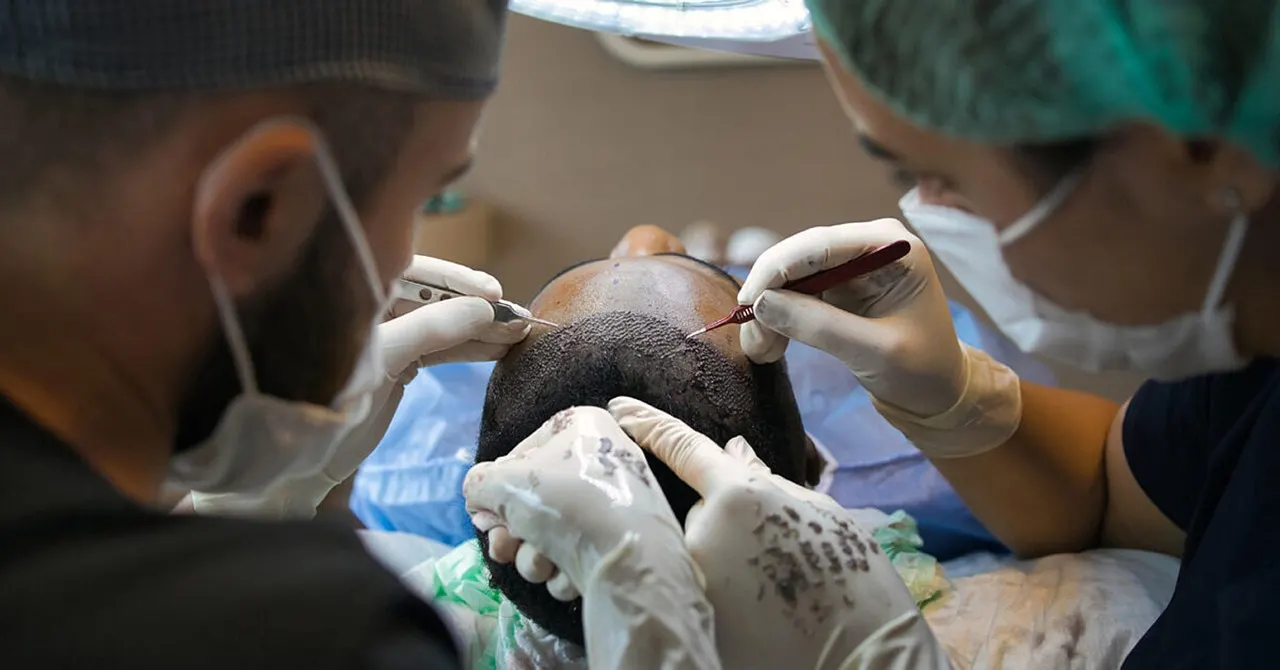
Beard and chest donor use, growth differences, and when BHT is a last-resort density tool. Compare verified clinics, read patient stories on the forum, and review our scam clinic checklist before you book.
What Is a Body Hair Transplant?

A Body Hair Transplant (BHT) is a hair restoration technique that involves extracting hair follicles from areas of the body other than the scalp and transplanting them to the balding or thinning areas of the head. This method is typically considered when a patient has insufficient donor hair on their scalp to achieve the desired coverage, making it a secondary or supplementary option for hair restoration.
Why Consider Body Hair for Transplantation?
The primary reason individuals explore BHT is a depleted or limited supply of donor hair on the scalp. Traditional Follicular Unit Extraction (FUE) and Follicular Unit Transplantation (FUT) procedures rely on healthy hair follicles from the back and sides of the head. When these areas have been over-harvested in previous procedures, or if a person naturally has thin or sparse scalp donor hair, body hair can offer an alternative source. It's important to understand that body hair differs from scalp hair in texture, growth rate, and cycle, which influences the aesthetic outcome.
Common Body Hair Donor Areas
The most frequently used donor sites for BHT are the beard and chest. Beard hair, particularly from under the chin and jawline, is often preferred due to its thicker caliber and growth characteristics, which can be somewhat similar to scalp hair. Chest hair is another common source, though it tends to be finer and have a shorter anagen (growth) phase. In some cases, hair from the legs or arms may also be considered, but these areas generally yield fewer grafts and hair that is much finer and grows slower. The suitability of these areas depends on the individual's hair characteristics and the specific goals of the transplant.
The BHT Procedure and Its Nuances
The BHT procedure typically employs the FUE method, where individual follicular units are extracted one by one using a micro-punch tool. These extracted grafts are then meticulously implanted into the recipient areas of the scalp. While the technique is similar to scalp FUE, there are distinct differences. Body hair grafts often have a lower survival rate compared to scalp grafts, and their growth patterns can be less predictable. The angle, direction, and density of implantation are crucial for a natural-looking result, especially when integrating body hair with existing scalp hair. Understanding these nuances is a key part of researching your options, and resources like the HairTransplantSelf Explore section can provide more context on different techniques.
Realistic Expectations for Body Hair Transplants
Setting realistic expectations is paramount for anyone considering a BHT. Body hair rarely achieves the same density or coverage as scalp hair, and its texture and growth rate can lead to a different aesthetic outcome. It is generally used to add coverage, fill in sparse areas, or improve the appearance of density rather than creating a full head of hair. The success of a BHT depends on many factors, including the quality and quantity of donor hair, the skill of the surgical team, and individual healing characteristics. For a deeper understanding of what to expect regarding coverage, you might find our guide on Hair Transplant Density: Realistic Expectations by Zone helpful. We encourage patients to thoroughly research clinics and surgeons, using resources like our patient forum to learn from others' experiences and to be wary of any claims that seem too good to be true, especially concerning scam clinics.
Ideal Candidates for BHT
Limited scalp donor supply
Patients who have exhausted the safe harvesting zones on the back and sides of the scalp are the primary group considered for a Body Hair Transplant. This situation often follows multiple FUE or FUT procedures, or it can be present from the start in individuals with naturally sparse donor hair. When the number of viable scalp follicles falls below the threshold needed to achieve the desired coverage, surgeons may look to the beard, chest, or other body sites as supplemental sources.
Hair characteristics that match the recipient area
Not every body hair is suitable for scalp transplantation. Ideal candidates possess beard or chest hair that is relatively thick, has a straight growth pattern, and can be harvested in sufficient numbers. Fine, curly, or extremely short‑growing hairs tend to produce less predictable results. Patients should discuss the texture and growth cycle of their body hair during the consultation to determine if the grafts will blend well with existing scalp hair.
Clear, realistic goals
Because body hair typically does not reach the same density as scalp hair, candidates should aim for coverage enhancement rather than full restoration. Those who want to fill in a crown, add volume to a thinning frontal zone, or improve the appearance of a scar are good fits. Setting expectations early helps avoid disappointment. For guidance on aligning goals with achievable density, see our article on Hair Transplant Density: Realistic Expectations by Zone.
Overall health and healing capacity
Successful graft survival depends on the patient’s circulatory health, skin quality at the donor sites, and ability to heal after multiple extraction points. Individuals with uncontrolled diabetes, severe scarring on potential donor areas, or a history of poor wound healing may face higher complication rates. A thorough medical review is essential before proceeding.
Willingness to research and verify providers
Choosing a clinic that follows ethical standards is a critical step. Prospective patients should explore the Explore section to compare techniques, read up on clinic accreditation, and understand the typical workflow of a BHT case. Engaging with peers on the patient forum can reveal real‑world experiences and red flags. Be cautious of clinics that promise rapid, high‑density results without transparent data; the scam clinics guide outlines common warning signs.
Readiness for a collaborative planning process
Because BHT often involves multiple donor sites and a customized graft distribution plan, candidates should be comfortable with a detailed pre‑operative discussion. This includes reviewing potential donor area photographs, estimating the number of grafts that can be safely harvested, and mapping out the placement strategy. A surgeon who takes the time to explain each step and answer questions will help the patient feel confident throughout the process.
When BHT Is Most Effective
Specific loss patterns that align with body‑hair characteristics
Body hair tends to be coarser and grows at a slower rate than scalp hair. It works best in zones where a modest amount of coverage is needed, such as the crown, the vertex, or a thinning frontal strip. In these areas the visual impact of a few well‑placed grafts can be noticeable without requiring the high density that scalp hair provides. Patients with a receding hairline but a relatively dense mid‑scalp often find that adding beard grafts to the crown creates a balanced appearance.
Donor sites that yield robust grafts
Beard hair from the chin and jawline usually has a thickness similar to scalp hair, which improves the chance of a natural blend. Chest hair can be useful when the beard supply is limited, provided the hair is not overly fine. The success of a BHT case is closely linked to the health of the donor skin; areas without significant scarring, acne, or dermatologic conditions tend to produce grafts with higher survival rates. When evaluating potential clinics, patients can review donor‑site photos in the Explore section to see examples of well‑healed extraction sites.
Goals focused on density enhancement rather than full coverage
Because body hair rarely matches the density of scalp hair, the most realistic outcomes involve adding volume to existing hair or camouflaging a scar. Patients who aim to thicken a sparse area, soften a bald patch, or improve the look of a post‑surgical scar are typical candidates. For guidance on interpreting before‑and‑after results, the guide How to Read Hair Transplant Before and After Photos offers practical tips on spotting genuine improvement.
Commitment to thorough pre‑operative planning
A detailed consultation that maps out donor extraction points, graft counts, and recipient site angles is essential. Surgeons who involve the patient in the planning stage—showing diagrams, discussing expected growth timelines, and outlining postoperative care—help set realistic expectations. Engaging with others who have undergone BHT on the patient forum can reveal common concerns and helpful preparation strategies.
Avoiding clinics that overpromise results
Some providers claim rapid, high‑density restoration using body hair, which is inconsistent with the biological limits of the grafts. Patients should be wary of marketing that lacks transparent data or that dismisses the need for a careful donor‑site assessment. The scam clinics guide outlines red flags such as consistent outcomes, unusually low pricing, or pressure to book immediately.
Limitations and Situations Where BHT May Not Be Suitable
While Body Hair Transplant (BHT) offers a valuable option for individuals with limited scalp donor hair, it is not a universal solution. Several factors can limit its effectiveness or make it an unsuitable choice for certain patients. Understanding these limitations is crucial for setting realistic expectations and making informed decisions about hair restoration.
Insufficient or Unsuitable Body Hair Donor Supply
One of the primary limitations of BHT is the availability and quality of body hair. Not everyone possesses a sufficient quantity of robust body hair that can be successfully transplanted to the scalp. For instance, individuals with very fine, sparse, or light-colored body hair may find that these grafts do not provide the desired coverage or blend well with existing scalp hair. The beard, chest, and sometimes other areas are considered, but if these sites lack adequate density or hair characteristics, BHT may not be viable. A thorough assessment of potential donor areas is essential to determine if enough suitable grafts can be harvested without causing noticeable thinning in the donor regions themselves. Patients should review how surgeons evaluate donor sites during their research in the Explore section.
Unfavorable Hair Characteristics and Growth Patterns
Body hair often differs significantly from scalp hair in terms of texture, growth rate, and growth cycle. Body hair typically has a shorter anagen (growth) phase, meaning it does not grow as long as scalp hair. It can also be coarser, more curly, or have a different caliber, which might lead to a less natural appearance if not strategically placed. For example, using very coarse beard hair in a delicate frontal hairline might create an unnatural transition. Surgeons must carefully consider where to place body hair grafts to ensure they blend harmoniously with any existing scalp hair. Patients should discuss these nuances with their surgeon to understand how their specific body hair characteristics might influence the final outcome. Our guide Hair Transplant Density: Realistic Expectations by Zone provides further insight into how different hair types contribute to perceived fullness.
Potential for Scarring and Healing Issues at Donor Sites
Like any surgical procedure, BHT involves the creation of small wounds at the donor sites where follicles are extracted. While these are typically small and heal well, there is still a potential for visible scarring, especially if a large number of grafts are harvested from a concentrated area. Individuals with a predisposition to keloid scarring or those with very fair skin might find that extraction points are more noticeable. The healing process can also vary, and complications such as folliculitis or prolonged redness can occur. It is important for patients to have realistic expectations about the appearance of donor areas post-procedure and to follow all aftercare instructions diligently. Researching potential complications and recovery experiences on the patient forum can offer valuable perspectives.
Unrealistic Expectations for Density and Coverage
Body hair grafts generally do not achieve the same density or coverage as scalp hair grafts. BHT is best suited for adding volume, camouflaging scars, or supplementing areas where a modest increase in density is acceptable. Patients seeking a full, dense head of hair using only body hair are likely to be disappointed. The goal of BHT is typically enhancement rather than complete restoration, and it often works best in conjunction with existing scalp hair or to improve the appearance of areas like the crown or mid-scalp. Clinics that promise exceptionally high density from body hair alone should be approached with caution, as outlined in our scam clinics guide.
Comparing Beard‑to‑Scalp Grafts with Scalp Donor Hair
Physical differences that affect graft performance
Beard hair typically has a larger diameter and a more robust shaft than many scalp hairs. This thickness can help the graft survive the transplant process, but it also creates a visual contrast when placed among finer scalp hairs. Scalp donor hair, taken from the back or sides of the head, usually matches the existing hair’s texture and growth pattern, which often results in a smoother blend. Understanding these differences helps patients decide whether a mixed approach or a pure scalp‑only strategy best meets their aesthetic goals.
Growth cycle and long‑term appearance
Scalp hair enjoys a longer anagen (growth) phase, allowing strands to reach greater lengths before shedding. Beard hair’s anagen phase is shorter, so transplanted follicles may produce shorter hairs that require more frequent trimming to maintain a uniform look. When planning a BHT procedure, surgeons often reserve beard grafts for areas where length is less critical, such as the crown or a thinning mid‑scalp zone. For patients who want longer hair at the frontal hairline, scalp grafts remain the preferred source.
Surgical planning and donor‑site considerations
Harvesting scalp follicles usually involves a strip excision or follicular unit extraction (FUE) from a region with abundant, healthy hair. Beard extraction follows a similar FUE technique but must account for the curvature of the face and the density of the donor area. Over‑harvesting from the beard can lead to noticeable thinning in the chin or jawline, so surgeons map out extraction points carefully. Prospective patients can explore donor‑site examples in the Explore section to see how clinics document healing and aesthetic outcomes.
Cost implications and value assessment
Because beard grafts often require a separate extraction session and may involve more detailed handling, the per‑graft price can be higher than scalp grafts. A detailed breakdown of these expenses is available in the guide Hair Transplant Cost Breakdown: What You Are Paying For. Comparing the total cost of a mixed graft plan with a pure scalp plan helps patients weigh the benefit of added thickness against the additional investment.
When a mixed approach makes sense
Patients with limited scalp donor hair but a healthy beard may achieve better overall coverage by combining both sources. This hybrid method works well when the goal is to add volume to a specific zone while preserving natural hairline aesthetics. However, individuals with fine or sparse beard hair, or those who prefer a uniform hair texture, might find a scalp‑only strategy more satisfactory.
Red flags to watch for during clinic selection
Some clinics market beard‑to‑scalp transplants as a shortcut to high density, ignoring the biological limits of body hair. Claims that beard grafts can fully replace scalp hair without compromise should be treated with caution. The scam clinics guide lists warning signs such as promises of rapid, high‑density results and pressure to book before a thorough consultation. Engaging with real patients on the patient forum can also provide insight into how mixed graft procedures have performed in everyday settings.
Potential Risks and Recovery Considerations
Immediate post‑procedure risks
After a body‑hair transplant (BHT), the most common short‑term concerns are mild swelling, bruising, and temporary numbness around the donor and recipient sites. These symptoms usually resolve within a few days, but patients should be prepared for occasional oozing or crust formation where follicles were extracted. Proper bandaging and adherence to the surgeon’s after‑care instructions help keep the risk of infection low. For a visual guide on what typical post‑procedure appearance looks like, see our article on how to read hair transplant before and after photos.
Healing timeline and common side effects
The first week focuses on protecting the grafts. Gentle washing with a may suggest shampoo is often recommended after 48‑72 hours. By the end of the second week, most crusts have fallen off and new hair shafts may become visible as “telogen” hairs. Full graft integration can take three to four months, with final cosmetic results emerging after 12‑18 months. During this period, patients may notice temporary shedding of transplanted hairs—a normal part of the “shock loss” phase.
Managing pain and discomfort
Discomfort is usually mild and can be controlled with over‑the‑counter analgesics such as ibuprofen or acetaminophen, unless otherwise directed by the clinician. Some individuals report a tingling sensation in the donor area for up to two weeks, especially when body hair is taken from the beard or chest. Applying a thin layer of petroleum‑based ointment, as advised, can reduce friction and soothe the skin.
Scarring and pigmentation changes
Because BHT relies on follicular unit extraction (FUE), each graft leaves a tiny puncture mark. In most cases these dots are barely noticeable after healing, but patients with a tendency toward keloid formation or very fair skin may experience more visible scarring or hyperpigmentation. Discussing your skin type with a qualified professional and reviewing donor‑site photos in the Explore section can help set realistic expectations.
When to seek medical attention
Although complications are rare, certain signs warrant prompt evaluation: increasing redness, swelling, or warmth around the donor or recipient sites; pus or foul odor indicating infection; persistent severe pain; or unexpected loss of sensation that does not improve over several days. Engaging with other patients who have experienced similar issues on the patient forum can provide perspective, but any concerning symptom should be discussed directly with your care team.
Frequently Asked Questions
Can I resume normal activities immediately after BHT?
Light activities such as walking are usually fine the day of the procedure, but strenuous exercise, heavy lifting, and activities that cause excessive sweating should be avoided for at least 7‑10 days to protect the grafts.
How long will donor‑site scarring be visible?
Most puncture marks fade within 3‑6 months. Individuals prone to darker scarring may notice faint dots for a longer period, which is why reviewing before‑and‑after donor‑site images in the Explore section is helpful.
Is there a risk that body hair will not grow on the scalp?
Graft survival rates for body hair are generally high when the extraction is performed by an experienced practitioner, but the shorter anagen phase of body hair means the transplanted strands may remain shorter and require more frequent trimming. Understanding these growth‑pattern differences is part of setting realistic expectations.
Patients who encounter claims of “no downtime” or “instant density” should consult the scam clinics guide to recognize red‑flag marketing tactics and ensure they choose a clinic that provides transparent, evidence‑based information.
How to Research and Choose a Clinic
Selecting a clinic for a body hair transplant (BHT) requires careful research, focusing on the practitioner's experience with this specific type of procedure. Unlike traditional scalp hair transplants, BHT demands a nuanced understanding of different hair characteristics and donor site considerations. A reputable clinic will prioritize patient education, provide transparent information, and set realistic expectations for outcomes, rather than making broad promises. Your research should involve evaluating the clinic’s approach to BHT, the surgeon’s specific expertise, and the clarity of their communication regarding potential results and limitations.
Assessing Surgeon Experience and Specialization
The success of a BHT largely depends on the surgeon's skill in extracting and implanting body hair follicles. Look for clinics where the surgeon has a documented history of performing BHTs, not just general FUE procedures. Body hair, particularly from the beard or chest, can be more challenging to extract due to its angle and depth, requiring specialized tools and techniques to minimize transection rates and maximize graft survival. Inquire about the surgeon's specific experience with beard-to-scalp or chest-to-scalp transplants, and how they manage the unique characteristics of these donor hairs. Our guide, How to Choose a Hair Transplant Surgeon Without Marketing Noise, offers a framework for evaluating a practitioner's qualifications and approach.
Evaluating Before-and-After Photos and Patient Results
When reviewing before-and-after photos, pay close attention to cases involving body hair. Look for clear, high-resolution images taken under consistent lighting, showing both the donor and recipient areas. For BHT, it is important to see how the transplanted body hair integrates with existing scalp hair, noting any differences in texture, color, or growth direction. Examine the density achieved and how natural the overall result appears. The Explore section provides a wealth of patient photos and case studies that can help you understand what to look for. Be cautious of clinics that only show perfect results or use heavily edited images; a transparent clinic will present a range of outcomes.
Understanding the Consultation Process
A thorough consultation is a cornerstone of responsible clinic selection. During this meeting, the surgeon or a qualified medical professional should assess your donor hair availability (both scalp and body), discuss your aesthetic goals, and explain the potential benefits and limitations of BHT for your specific situation. They should detail the number of grafts needed, the expected growth patterns of body hair on the scalp, and the recovery timeline. This is your opportunity to ask questions about the surgeon's experience, the clinic's protocols, and what kind of post-operative support you can expect. A clinic that rushes the consultation or pressures you into making a quick decision may not have your best interests at heart.
Identifying Red Flags and Avoiding Scam Clinics
Be wary of clinics that make exaggerated claims about BHT, such as promising "unlimited grafts" from body hair or guaranteeing a specific percentage of hair growth. Such assurances are often unrealistic and can be misleading. High-pressure sales tactics, significantly lower prices compared to other reputable clinics, or a lack of transparency about the surgeon's credentials are all warning signs. The scam clinics guide provides a comprehensive list of red flags to help you navigate the market and avoid clinics that prioritize profit over patient well-being. Engaging with real patient experiences on the patient forum can also offer valuable insights into clinic practices and patient satisfaction.
Cost Factors and Financial Planning
Direct procedure costs
The most visible component of a body‑hair transplant (BHT) is the fee charged for graft extraction, preparation, and implantation. Clinics typically price the service per graft, with rates varying based on the donor area (beard, chest, or other body sites) and the complexity of the extraction. Because body hair often requires more precise angulation and specialized tools, the per‑graft price can be higher than for scalp‑only FUE. For a detailed look at what you are paying for, see our Hair Transplant Cost Breakdown guide.
Donor‑site considerations and additional fees
When body hair is used, the donor‑site preparation may involve extra steps such as local anesthesia for larger areas, skin‑tightening devices, or post‑procedure dressings. Some clinics also charge separate fees for anesthesia, facility use, and follow‑up visits. If you need multiple donor sites (e.g., both beard and chest), each location may incur its own set of costs, so it’s wise to request an itemized estimate before committing.
Financing options and payment plans
Many reputable clinics offer financing programs that spread the expense over several months or years. Look for transparent terms, clear interest rates, and the ability to pause payments if a complication arises. Discussing these options during the consultation can help you align the procedure with your budget without resorting to high‑interest credit cards.
Hidden expenses to anticipate
Beyond the surgical fee, patients often encounter ancillary costs such as prescription shampoos, topical serums, and specialized after‑care products. Travel and accommodation may be necessary if you choose a clinic outside your hometown. Some patients also allocate funds for supplemental sessions if additional grafts are needed after the initial healing period. Reviewing patient discussions in the patient forum can give you a realistic sense of these recurring expenses.
Red flags related to pricing
Extremely low quotes that seem too good to be true often signal shortcuts in sterility, inexperienced staff, or hidden post‑procedure fees. The scam clinics guide outlines common pricing traps, such as “unlimited grafts for a flat rate” or “no‑cost consultation” that later balloons into a larger bill. Cross‑checking a clinic’s pricing structure with multiple sources helps protect you from deceptive offers.
Frequently Asked Questions
What determines the per‑graft price for body hair?
Factors include the donor site (beard hair tends to be pricier than chest hair), the thickness of the hair, the need for specialized extraction tools, and the surgeon’s experience with BHT.
Can I combine a BHT with a scalp‑only transplant to reduce costs?
Some clinics offer blended plans where scalp grafts are taken first, followed by body‑hair grafts if additional density is needed. This approach can lower the overall per‑graft cost but should be discussed in detail during the consultation.
How should I budget for post‑procedure care?
Allocate roughly 10‑15 % of the total surgical fee for medications, shampoos, and follow‑up appointments. If travel is required, add accommodation and transportation expenses to your budget.
Frequently asked questions
Can body hair grow like scalp hair after transplantation?
Transplanted body hair retains many of its original characteristics, such as thickness and growth cycle. Over time it may become softer and blend with surrounding scalp hair, but it typically does not fully match the length or texture of native scalp hair.
How many grafts can be taken from the beard for a scalp transplant?
The number of usable grafts depends on beard density, hair thickness, and the donor area's size. In many cases, a well‑filled beard can provide several hundred grafts, which may be sufficient for small to moderate balding zones.
What are the common side effects after a BHT procedure?
Typical short‑term effects include redness, swelling, and mild discomfort at both the scalp and donor sites. Some patients notice temporary numbness or crusting. Most side effects resolve within a few weeks with proper after‑care.
This content is for educational purposes only and does not constitute medical advice. Always consult a qualified hair restoration surgeon before making treatment decisions.