
Credentials, who actually operates, case volume, and red flags that matter more than clinic ads. Compare verified clinics, read patient stories on the forum, and review our scam clinic checklist before you book.
Understanding Surgeon Credentials and Certifications
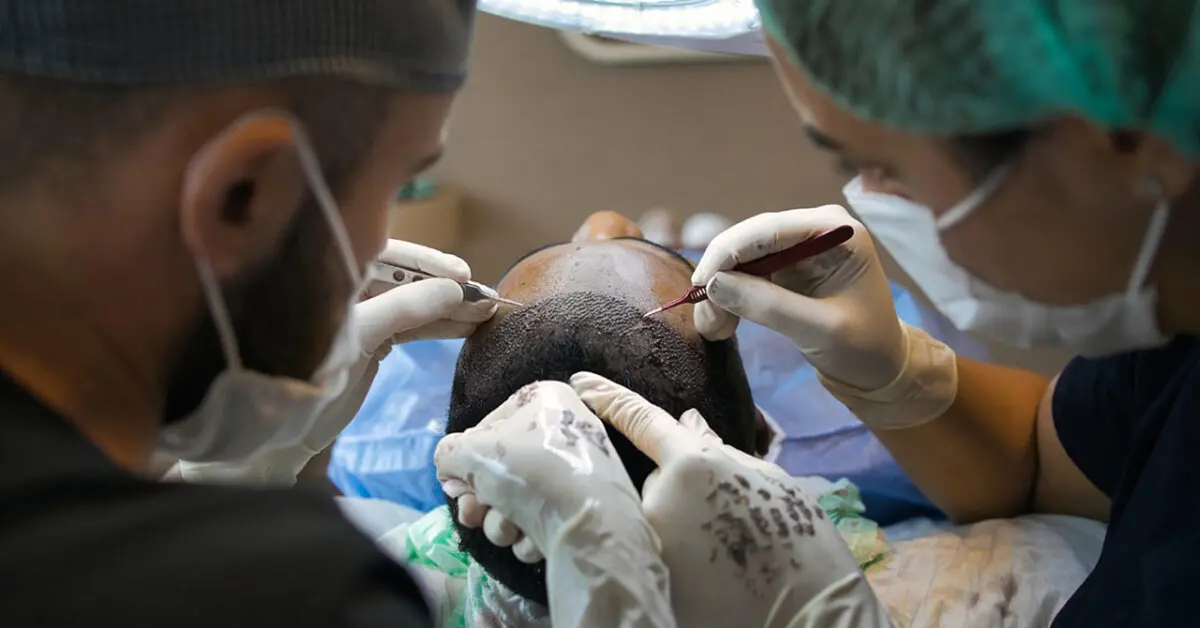
Board certification and medical licensing
First, verify that the surgeon holds a valid medical license in the country where the clinic operates. A board‑certified dermatologist or plastic surgeon who has completed a recognized residency program provides a baseline of training. Look for certifications from national boards such as the American Board of Dermatology or the European Board of Plastic Surgery. These credentials are publicly searchable and can be cross‑checked on official medical board websites.
Specialized training in hair restoration
Hair transplantation requires techniques that differ from general dermatology or plastic surgery. Surgeons often pursue additional fellowships, workshops, or hands‑on courses focused on follicular unit extraction (FUE), direct hair implantation (DHI), and graft handling. When a surgeon lists specific hair‑restoration training, ask for details about the institution or instructor. This information helps separate clinicians who have simply added a hair‑transplant service from those who have dedicated significant time to mastering the procedure.
Professional memberships and affiliations
Membership in societies such as the International Society of Hair Restoration Surgery (ISHRS) or the European Society of Hair Restoration Surgery (ESHRS) signals a commitment to ongoing education. These organizations require members to adhere to ethical guidelines and to stay current with peer‑reviewed research. You can confirm membership by visiting the society’s online directory.
Published research and peer‑reviewed work
Surgeons who contribute to scientific literature demonstrate an evidence‑based approach. Look for articles in dermatology or plastic‑surgery journals that discuss graft survival, donor‑site management, or long‑term outcomes. A quick search on PubMed or Google Scholar can reveal whether the clinician’s work has been cited by peers. For a broader view of technique differences, see our guide on FUE vs DHI: An Honest Comparison for Patients.
Transparency and patient resources
Reputable clinics provide clear information about the surgeon’s qualifications on their website, often linking to the licensing board or professional society pages. They also offer access to before‑and‑after galleries, patient testimonials, and detailed procedural explanations. If you have questions, the patient forum is a good place to hear from others who have consulted the same surgeon.
Red flags to watch for
Be cautious of clinics that emphasize marketing slogans over concrete credentials, use vague titles like “hair‑restoration specialist” without certification, or hide the surgeon’s name behind a brand. The scam clinics guide outlines common tactics used to mislead patients and offers steps to verify authenticity.
Finally, use the Explore tool to compare multiple surgeons side by side, focusing on verified credentials rather than promotional material. This systematic approach helps you make an informed decision based on professional standards rather than marketing noise.
Evaluating Clinical Experience and Procedure Volume
Years in dedicated hair restoration practice
The length of time a surgeon has been performing hair transplant procedures offers insight into their practical experience. It is not enough to simply be a licensed physician; the specific skill set for hair restoration, including graft extraction, site creation, and implantation, develops over years of dedicated practice. Look for surgeons who have focused a significant portion of their career on hair transplantation rather than treating it as a minor service among many. This specialization often translates into a deeper understanding of hair biology, scalp anatomy, and aesthetic principles for natural-looking results.
Procedure volume and frequency
A surgeon’s procedure volume refers to the number of hair transplant cases they handle regularly. A clinic performing hair transplants frequently, with the same surgeon leading the procedures, suggests a well-oiled process and consistent exposure to various patient scenarios. Inquire about the typical number of procedures performed per week or month by the surgeon themselves, not just the clinic as a whole. High volume, when combined with positive patient feedback and transparent outcomes, can indicate a surgeon’s proficiency. This is distinct from clinics that might perform many procedures but delegate critical steps to less experienced staff. Understanding the full cost breakdown can help clarify what aspects of the procedure you are paying for, as detailed in our guide on Hair Transplant Cost Breakdown: What You Are Paying For.
Surgeon's direct involvement in the procedure
patients should understand the extent of the surgeon’s direct involvement in your procedure. Some clinics operate with a model where the surgeon performs only the initial consultation and perhaps the incision creation, while technicians carry out the majority of graft extraction and implantation. While a skilled team of technicians is vital for graft handling and efficiency, the surgeon’s direct participation in critical stages, such as donor harvesting, recipient site creation, and quality control, can influence the outcome. Ask directly about which steps the surgeon personally performs and how much time they spend with each patient during the procedure. This level of transparency helps ensure you are receiving the expertise you expect.
Consistency of patient outcomes and aesthetic results
Evaluating a surgeon’s clinical experience also involves reviewing the consistency of their patient outcomes. This means looking beyond a few "best case" before-and-after photos and seeking a broader portfolio that demonstrates consistent, natural-looking results across a range of patients. Pay attention to hairline design, density, and the overall integration of transplanted hair with existing hair. While individual results can vary, a surgeon with extensive experience will typically show a pattern of aesthetically pleasing and well-executed work. The patient forum can be a valuable resource for seeing diverse patient experiences and discussing outcomes. Be wary of clinics that only show a limited number of results or make exaggerated claims about universal success. Our scam clinics guide provides further advice on identifying misleading marketing tactics.
Handling of complex cases and revisions
An experienced surgeon is often better equipped to handle more complex cases, such as patients with limited donor hair, specific hair characteristics (e.g., very curly hair), or those seeking repair work from previous, less successful transplants. Their experience allows them to anticipate challenges and adapt their approach to achieve the best possible result given the individual circumstances. Discussing your specific situation and asking about their experience with similar cases can provide reassurance. The Explore tool allows you to filter and compare surgeons based on various criteria, which can help in identifying those with a proven track record in specific areas.
FAQ: Evaluating Clinical Experience and Procedure Volume
Q: How many years of experience should a hair transplant surgeon have?
A: While there's no magic number, a surgeon with at least 5-10 years of dedicated experience in hair restoration surgery often demonstrates a strong foundation in the specialized techniques required. More important than just years is the consistent focus on hair transplantation during that time.
Q: Is a high procedure volume always a good sign?
A: A high procedure volume can indicate a surgeon's proficiency and efficiency, but it should be considered alongside the surgeon's direct involvement in each case and the consistency of their results. A high volume where critical steps are delegated to less experienced staff may not be ideal. Always inquire about the surgeon's personal participation.
Q: How can I verify a surgeon's claims about their experience?
A: You can verify claims by checking their medical board licensing, professional society memberships, and looking for published research. Additionally, reviewing a wide range of before-and-after photos and seeking patient testimonials on independent platforms like our patient forum can provide a more balanced perspective. Be cautious of clinics that lack transparency or make unsubstantiated claims.
Assessing the Surgical Facility and Safety Standards
Accreditation and regulatory compliance
Before scheduling a consultation, confirm that the clinic holds accreditation from a recognized health‑care authority in its country. In many regions, facilities must meet standards set by agencies such as the Joint Commission, ISO, or local health ministries. These certifications are usually displayed on the clinic’s website and can be verified through the accrediting body’s public database. An accredited environment signals that the clinic follows baseline safety protocols, from building design to staff qualifications.
Sterilization protocols and equipment
Hair transplantation relies on precise, microscopic work. Look for clear descriptions of how the clinic sterilizes instruments, prepares the operating room, and maintains a sterile field. Facilities that use autoclaves, single‑use instruments, and regularly calibrated microscopes demonstrate a commitment to minimizing infection risk. Ask whether the clinic follows a documented “sterile processing” checklist and whether staff receive ongoing training in aseptic techniques. When in doubt, the patient forum often contains real‑world accounts of how clinics handle cleanliness and instrument handling.
Facility layout and patient flow
A well‑designed clinic separates consultation rooms, surgical suites, and recovery areas. This separation reduces cross‑contamination and allows the surgical team to focus on each step without unnecessary interruptions. Observe whether the clinic offers a private pre‑op area, a dedicated operating theater with controlled temperature and humidity, and a comfortable post‑op recovery space. Transparent clinics will provide photos or virtual tours of these spaces on request.
Emergency preparedness and postoperative care
Even with meticulous planning, complications can arise. Verify that the clinic has immediate access to emergency equipment, such as defibrillators and oxygen supplies, and that staff are trained in basic life support. Post‑procedure, the clinic should outline a clear follow‑up schedule, including wound checks, medication instructions, and options for contacting the medical team if concerns develop. Detailed postoperative protocols are often discussed in the Hair Transplant Cost Breakdown: What You Are Paying For guide, which highlights how facility costs relate to safety measures.
Transparency of clinic policies
Reputable facilities publish their policies on consent forms, data privacy, and refund or revision procedures. Look for a downloadable patient handbook or a page that explains how the clinic handles adverse events and revision surgeries. Clinics that hide this information or provide vague answers may be trying to avoid accountability. The scam clinics guide outlines common omissions to watch for.
Using tools to compare facilities
The Explore tool lets you filter clinics by accreditation status, procedure volume, and patient‑reported safety scores. By comparing multiple options side by side, you can focus on facilities that meet the highest safety standards rather than those that rely on flashy marketing.
FAQ: Facility and Safety Considerations
Q: How can I verify a clinic’s accreditation?
A: Check the clinic’s website for accreditation logos and then visit the accrediting organization’s official site to confirm the listing. If the information is not publicly available, ask the clinic to provide a copy of the certification.
Q: What signs indicate a clinic’s sterilization practices are solid?
A: Look for mentions of autoclave use, single‑use instruments, and a documented sterile processing checklist. Patient reviews that reference clean environments and no post‑procedure infections are also reassuring.
Q: Why is the layout of the clinic important for my safety?
A: Separate spaces for consultation, surgery, and recovery limit the chance of cross‑contamination and help the surgical team maintain focus. A clear patient flow also reduces waiting times and stress on the day of the procedure.
Reviewing Before‑and‑After Photos and Patient Outcomes
Why photos matter
Before‑and‑after images give a visual snapshot of a surgeon’s aesthetic approach. They let you see how the hairline is positioned, how density is distributed, and whether the transplanted hair blends with existing growth. A clear set of photos helps you gauge whether the clinic’s style matches the look you hope to achieve.
Assessing consistency across a portfolio
Look for a range of cases rather than a handful of perfect results. A surgeon who consistently produces natural‑looking outcomes across different ages, hair types, and scalp conditions demonstrates reliable technique. When you notice similar patterns of hairline shape and graft placement in multiple patients, it suggests a repeatable process.
Understanding the context of each image
Every photo should include a short description: the patient’s age, the amount of donor hair, the technique used, and the time elapsed since surgery. This information lets you compare like‑for‑like situations. Without context, a picture taken six months after the procedure may look different from one taken two years later, because grafts continue to mature over time.
Using patient‑reported outcomes
Many clinics pair photos with written or video testimonials. While personal stories add depth, they should not replace objective visual evidence. Cross‑reference the testimonials with the patient forum where members often share their own before‑and‑after sets and discuss how the results held up over months or years.
Red flags in photo galleries
Be wary of galleries that show only the most dramatic improvements, use heavy editing, or lack a timeline. If the same few patients appear repeatedly, the clinic may be highlighting outliers. The scam clinics guide outlines additional warning signs, such as missing consent statements or photos that look overly staged.
Design principles that guide good results
Hairline placement follows established aesthetic rules. The Hairline Design Principles for Natural Results article explains how angles, forehead height, and curvature affect the final appearance. When reviewing photos, check whether the hairline respects these principles rather than appearing overly low or artificially sharp.
Tools to compare visual portfolios
The Explore feature lets you filter surgeons by the number of documented cases and by the presence of full‑timeline photo sets. Using this tool can save time and help you focus on providers who are transparent about their outcomes.
FAQ: Photo Review and Outcome Expectations
Q: How many before‑and‑after images should I ask to see?
A: Request at least three to five examples that include different hair types and ages. Seeing a variety helps you understand how the surgeon adapts the technique to each individual.
Q: What should I look for in the hairline design of the photos?
A: Check that the hairline follows natural angles, respects the patient’s forehead height, and shows a gradual transition from transplanted to existing hair. Consistency with the principles described in our hairline design guide is a good indicator.
Q: Can I rely on patient testimonials alone?
A: Testimonials provide useful context but should be considered alongside visual evidence and independent forum discussions. Look for patients who share long‑term follow‑up photos and describe any challenges they faced after the procedure.
Checking Independent Reviews and Patient Testimonials
Beyond a clinic's own marketing, independent reviews and patient testimonials offer a crucial perspective on a surgeon's approach and patient experience. These accounts, when evaluated carefully, can provide practical insights into what to expect before, during, and after a hair transplant procedure. They help you gauge consistency in results and patient care from an unbiased viewpoint.
Finding reputable review sources
While a clinic's website often features testimonials, it's essential to seek out independent platforms. Dedicated hair transplant forums, such as our own patient forum, provide spaces where individuals share their experiences, often with detailed timelines and unfiltered opinions. Other third-party review sites can also be valuable, but always consider their verification processes. Look for platforms that require proof of treatment or have active moderation to filter out promotional content.
Evaluating the authenticity of testimonials
Authentic reviews typically include specific details about the patient's journey: the consultation process, the day of the procedure, and the recovery period. Vague praise or overly enthusiastic, generic statements can be a red flag. Pay attention to the language used; genuine accounts often reflect a range of emotions and challenges, not just perfect outcomes. Be cautious of reviews that appear to be written by the clinic itself or that lack any identifying information about the patient. The scam clinics guide offers further insights into identifying misleading information.
Assessing consistency and volume of feedback
A single glowing review, or even a few, does not provide a complete picture. Look for a pattern of consistent positive feedback across a significant number of patients. This indicates a reliable standard of care and predictable results. Conversely, recurring complaints about specific issues, such as poor communication, unexpected costs, or unsatisfactory results, should prompt further investigation. The volume of reviews, combined with their overall sentiment, offers a more robust indicator of a surgeon's reputation than isolated anecdotes.
Focusing on long-term patient outcomes
Hair transplant results mature over many months, sometimes up to 12-18 months. Therefore, reviews that include long-term follow-up photos and descriptions are particularly valuable. These show how the transplanted hair has grown in, its density, and how well it blends with the existing hair over time. Short-term "before and immediately after" photos, while useful, don't tell the full story of the final aesthetic outcome. Patients discussing their experience with supplementary treatments, such as PRP, can also offer insights into what truly works versus marketing claims, as explored in our PRP After Hair Transplant: Evidence vs Marketing article.
Red flags in review sections
Be wary of clinics that heavily moderate or censor negative reviews, or those that only display testimonials on their own website without external verification. A lack of transparency around patient feedback can be concerning. Similarly, clinics that make exaggerated claims or promise specific percentage success rates should be approached with caution, as results are individual and can vary. The goal is to find a surgeon with a track record of satisfied patients who have achieved natural-looking, sustainable results.
Using tools for informed decisions
Our Explore tool allows you to filter and compare clinics based on various criteria, including patient-reported satisfaction and the availability of verified reviews. This can help you narrow down your options to surgeons who consistently receive positive, authentic feedback from their patients, moving you past marketing hype to factual patient experiences.
FAQ: Independent Reviews and Testimonials
Q: How can I verify if a patient review is genuine?
A: Look for reviews with specific details about the procedure, recovery, and long-term results. Genuine reviews often include photos with clear timelines and may discuss both positive aspects and any minor challenges. Be skeptical of overly generic praise or reviews that lack any personal context.
Q: Should I trust reviews only found on a clinic's website?
A: While clinic websites can offer testimonials, it's best to cross-reference these with independent sources like patient forums and third-party review platforms. Independent reviews often provide a more balanced and unfiltered perspective, giving you a broader understanding of patient experiences.
Q: Why are long-term reviews important for hair transplants?
A: Hair transplant results take many months to fully mature. Long-term reviews, ideally with photos showing progress at 6, 12, or even 18 months post-procedure, offer the most accurate representation of a surgeon's ability to deliver natural-looking and lasting outcomes. They help you understand how the transplanted hair integrates and grows over time.
Clarifying Consultation Process and Communication Style
What a first‑time consultation should cover
A reputable surgeon will begin with a thorough medical history, an examination of your scalp, and a discussion of realistic expectations. They should explain the chosen technique, such as FUE or DHI, and outline why it fits your hair type and donor area. Look for a clear description of the steps involved, the typical timeline for graft growth, and any adjunct treatments that might be recommended. When the surgeon references the FUE vs DHI: An Honest Comparison for Patients guide, it shows they are aware of the nuances between methods rather than pushing a single option.
Assessing communication style
Effective communication feels collaborative. The surgeon should listen to your concerns, repeat back key points, and answer questions without rushing. Pay attention to how they handle follow‑up queries: do they provide a direct phone line, email address, or patient portal? Consistent, polite responses indicate a practice that values patient education. If you notice vague answers or a reliance on generic marketing copy, consider it a sign to keep looking.
Documentation and transparency
All recommendations should be documented in a written plan that includes the proposed graft count, estimated cost breakdown, and a schedule for post‑operative visits. A transparent clinic will also share any potential additional fees up front. The scam clinics guide highlights hidden‑cost tactics, so compare the written estimate with the information presented during the meeting.
Using patient‑focused tools for preparation
Before you book a consultation, explore the Explore tool to filter surgeons who list detailed consultation protocols. Reading past patient discussions on the patient forum can reveal how previous visitors felt about the clarity of information they received. Real‑world experiences often surface details that a clinic’s brochure omits.
Follow‑up and post‑consultation support
After the initial meeting, a responsible practice will send a summary email that recaps the discussion, lists next steps, and provides contact information for any lingering questions. They may also offer a second‑opinion meeting or a virtual follow‑up for patients traveling from abroad. Absence of such follow‑up can be a red flag, especially if the clinic’s website emphasizes “no‑obligation consultations” but then fails to provide any written record.
Red flags specific to the consultation stage
Be wary of surgeons who pressure you to schedule the procedure immediately, who downplay the need for a donor‑area assessment, or who avoid discussing potential complications. Clinics that rely heavily on glossy brochures without offering concrete data about graft survival rates or patient satisfaction often fall short in the long run. The scam clinics guide lists additional warning signs, such as lack of a clear consent form or refusal to show before‑and‑after photos from patients similar to you.
FAQ: Consultation Process and Communication
Q: How many questions should I prepare for my first appointment?
A: Write down at least five questions covering technique options, expected timeline, cost breakdown, post‑operative care, and how the clinic handles complications. Having a list helps keep the conversation focused.
Q: What indicates that a surgeon values clear communication?
A: The surgeon repeats back your main concerns, offers a written summary after the visit, and provides multiple ways to reach the team for follow‑up questions. Prompt, courteous replies to email or phone inquiries are also good signs.
Q: Is it okay to request a second opinion before deciding?
A: Yes. A reputable clinic will understand the need for a second opinion and may even provide copies of your medical notes and imaging. This step can reinforce confidence in the chosen treatment plan.
Comparing Costs While Avoiding Low‑Cost Red Flags
Understanding what the price includes
When a clinic presents a total figure, it should be clear which services are covered. Typical items are the surgeon’s fee, anesthesia, operating‑room expenses, graft extraction and implantation, and post‑operative medication. A transparent quote will list each component separately, allowing you to see where the money goes and to compare offers on an equal basis.
Typical cost components
Most reputable practices break down the cost per graft, the number of grafts needed, and any additional procedures such as scalp micro‑needling or PRP. For a detailed look at how these elements add up, see our Hair Transplant Cost Breakdown: What You Are Paying For guide. Knowing the average price range for your specific hair loss pattern helps you spot unusually low numbers that may hide compromises.
Hidden fees that clinics may omit
Low‑cost advertisements often exclude follow‑up visits, medication, or travel expenses for international patients. Some clinics charge extra for after‑care dressings, scar revision, or unexpected graft loss. Ask for a written estimate that includes “all‑inclusive” language, and verify that no line items are left ambiguous.
Why the cheapest quote can be risky
A very low price can indicate shortcuts such as using less‑experienced staff for graft extraction, re‑using instruments, or limiting the number of grafts per session. These practices may affect graft survival and overall aesthetic result. In addition, clinics that focus on price over quality may lack robust post‑operative support, which is essential for a smooth recovery.
Tools to compare transparent pricing
Our Explore tool lets you filter clinics by price range, graft‑count estimates, and whether they provide a full cost breakdown. Reading real‑world experiences on the patient forum can reveal if other members have encountered surprise charges after their procedure. The scam clinics guide also outlines common tactics used to lure patients with low‑cost offers, helping you stay vigilant.
FAQ: Cost Comparison and Red Flags
Q: How can I tell if a quoted price is truly all‑inclusive?
A: Request a written estimate that itemizes every charge, from the surgeon’s fee to post‑operative medications. If the clinic hesitates to provide details or adds “additional fees may apply,” treat it as a warning sign.
Q: Are there price differences between FUE and DHI that I should expect?
A: Both techniques involve similar core costs, but DHI may carry a higher per‑graft fee because of the specialized equipment and additional training required. A reputable clinic will explain why the price differs and how the technique aligns with your hair characteristics.
Q: What should I do if a clinic offers a price that seems too good to be true?
A: Compare the quote against the average range shown in the cost‑breakdown guide and discuss it with members of the patient forum. If the price is significantly lower without a clear justification, ask for clarification on what is excluded. Lack of a satisfactory answer often indicates a red flag.
Next Steps: How to Conduct Your Own Research
Gathering reliable sources
Start by collecting information from independent, patient‑focused platforms rather than clinic‑owned marketing pages. Look for articles that explain techniques, recovery expectations, and potential complications in plain language. The Hairline Design Principles for Natural Results guide offers a clear overview of what a realistic hairline should look like, which helps you compare claims made by different practices.
Using the Explore tool effectively
The Explore feature lets you filter surgeons by credentials, years of experience, and the level of detail they provide in their consultation documents. Apply filters such as “published case studies” or “transparent cost breakdown” to narrow the list to clinics that prioritize openness over flashy advertising.
Checking patient forums for real‑world feedback
Visit the patient forum and search for threads that mention the clinics you are considering. Pay attention to recurring themes—both positive and negative. Users often share photos, post‑procedure timelines, and describe how responsive the clinic was when questions arose after surgery.
Cross‑checking claims with independent guides
When a clinic cites specific success numbers or graft‑survival rates, verify those figures against neutral resources. The scam clinics guide outlines common exaggerations, such as “over‑90 % graft survival” without supporting data. If a claim cannot be backed up by peer‑reviewed studies or reputable third‑party audits, treat it with caution.
Documenting findings and creating a comparison chart
Compile the information you gather into a simple spreadsheet. Include columns for surgeon credentials, technique offered, cost per graft, listed post‑operative support, and any red‑flag notes from the forum or scam‑clinic guide. Having a side‑by‑side view makes it easier to spot inconsistencies and decide which clinic aligns best with your priorities.
FAQ: Researching a hair‑transplant surgeon
Q: How many sources should I consult before narrowing down a surgeon?
A: Aim for at least three independent sources—one detailed article, one forum discussion, and one official clinic document. This mix reduces the chance of relying on a single perspective.
Q: What does a transparent cost breakdown look like?
A: It lists each expense separately, such as surgeon fee, anesthesia, graft count, medication, and follow‑up visits. The total should match the sum of the line items, with no vague “additional fees may apply” language.
Q: Is it safe to rely on before‑and‑after photos posted on a clinic’s website?
A: Photos can be useful, but verify that they include patient details like age, hair type, and graft count. When the same images appear on multiple clinic sites, it may indicate stock photography rather than genuine results.
Frequently asked questions
What qualifications should I look for in a hair transplant surgeon?
A qualified surgeon typically holds a medical degree, board certification in dermatology or plastic surgery, and specific training in hair restoration techniques such as FUE or FUT. Look for memberships in recognized professional societies and evidence of ongoing education.
How can I verify a surgeon’s experience without relying on marketing claims?
Ask the surgeon for the number of hair transplant procedures performed annually and request references from recent patients. Independent medical boards or professional societies often provide verification tools for credentials and disciplinary history.
What questions are essential during a consultation?
Inquire about the surgeon’s preferred technique, the expected number of grafts, the plan for donor area management, and how complications are handled. Also ask about follow‑up care, realistic outcomes for your hair loss pattern, and any costs not included in the initial quote.
This content is for educational purposes only and does not constitute medical advice. Always consult a qualified hair restoration surgeon before making treatment decisions.