
Why denser is not always better, recipient-site limits, and how to read density claims in before/after photos. Compare verified clinics, read patient stories on the forum, and review our scam clinic checklist before you book.
Understanding Hair Transplant Density
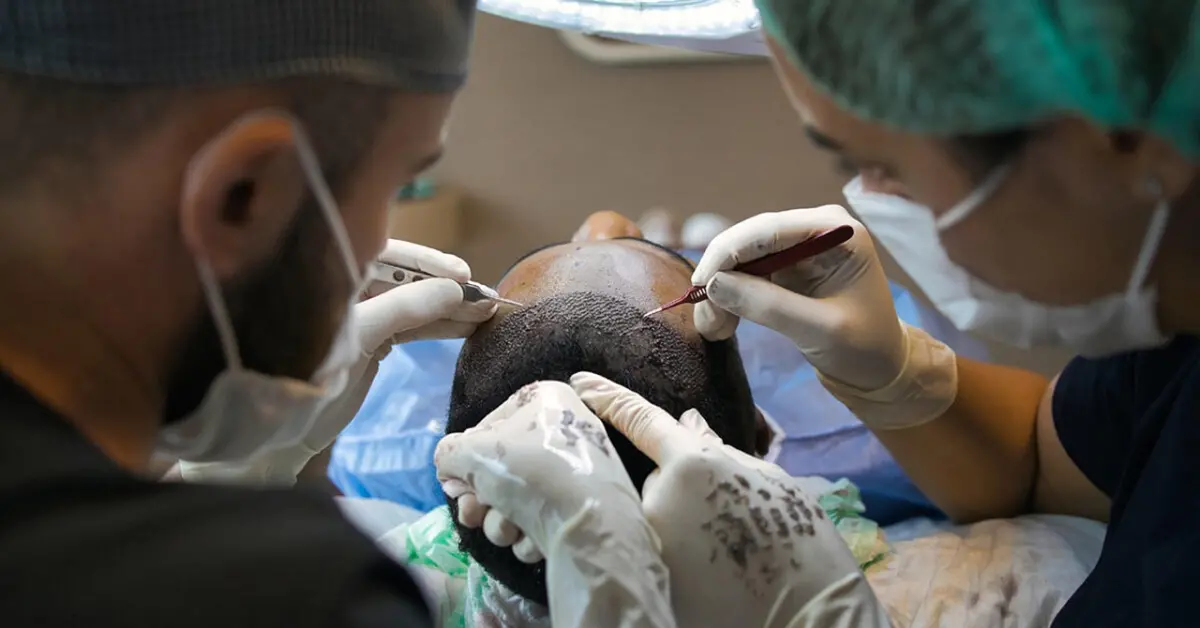
Factors Influencing Achievable Density
Several factors determine the maximum density a surgeon can realistically achieve for a patient: * **Donor Hair Characteristics:** The quality and quantity of hair in the donor area are primary limitations. A robust donor supply with thick, multi-follicular grafts allows for higher potential density. Conversely, a sparse or fine donor area limits what can be transplanted. Understanding how to manage this resource is crucial for long-term results; learn more about this in our guide on Donor Area Management: Protecting Your Lifetime Supply. * **Recipient Area Conditions:** The scalp's blood supply, elasticity, and existing hair density in the recipient area play a role. A healthy, well-vascularized scalp can support more grafts. Placing too many grafts in an area can compromise blood flow, potentially affecting graft survival. * **Surgeon's Skill and Technique:** An experienced surgeon understands how to optimize graft placement, angulation, and distribution to maximize the appearance of density while ensuring graft survival. This involves strategic placement rather than simply packing grafts.Density Expectations by Scalp Zone
The ideal density often varies across different regions of the scalp to mimic natural hair growth patterns. * **The Hairline:** This is the most visible and critical area for a natural-looking result. Surgeons typically aim for higher density here, often using single-hair follicular units to create a soft, irregular, and undetectable transition. The goal is to avoid a "pluggy" or artificial appearance. Realistic expectations for hairline density mean understanding that it may not be as dense as a virgin hairline, but it should be sufficient to frame the face naturally. * **Mid-Scalp and Top:** Density in the mid-scalp and top of the head needs to provide adequate coverage and blend with the hairline. While it might not always reach the same density as the hairline, strategic placement of multi-follicular units can create an illusion of fullness. The focus here shifts slightly from extreme density to effective coverage and volume. * **The Crown (Vertex):** The crown area can be challenging due to its swirling hair pattern and often larger bald area. Achieving high density here can require a significant number of grafts, potentially impacting the donor supply for other areas. Patients should discuss realistic density goals for the crown, as it may be prioritized differently depending on overall donor availability and the patient's age and future hair loss progression. Sometimes, a slightly lower density that still offers good coverage and blends with surrounding hair is a more sustainable and realistic outcome.Setting Realistic Expectations
It's important for patients to have realistic expectations about the achievable density. While a hair transplant can significantly improve the appearance of hair loss, it rarely restores hair to its original virgin density. The aim is to create a visually dense and natural-looking result that complements the patient's facial features and age. Patients should engage in thorough research, review before-and-after photos with a critical eye, and discuss their goals openly with potential clinics. For guidance on evaluating clinics and avoiding misleading claims, visit our Scam Clinics guide. You can also find valuable insights and patient experiences on our patient forum and explore various topics in our Explore section.FAQ: Hair Transplant Density
Q: What is considered a "good" hair transplant density?
A: A "good" density is one that looks natural, provides adequate coverage, and blends seamlessly with your existing hair. It's not about achieving the highest possible number of grafts per square centimeter, but rather about strategic placement that creates a visually pleasing and undetectable result. This often means varying density across different scalp zones.Q: Can I achieve my original hair density with a transplant?
A: It is generally not possible to achieve the exact density of your original, non-balding hair with a transplant. The procedure redistributes existing donor hair, which is a finite resource. The The goal is to create a significant improvement in coverage and a natural appearance, rather than a full restoration to virgin density.Q: How can I ensure I get the best possible density for my transplant?
A: To maximize your density potential, focus on choosing an experienced and ethical surgeon who prioritizes natural results and donor area preservation. Thoroughly research clinics, ask to see many before-and-after photos, and have an in-depth consultation to understand what is realistically achievable for your specific case, considering your donor hair and recipient area.Typical Graft Density in the Frontal Zone
What surgeons target for a natural‑looking hairline
In the frontal zone most clinicians aim for a graft density that falls between 30 and 45 grafts per square centimeter. This range provides enough hair to create a soft, irregular edge while preserving donor material for other scalp areas. The exact number varies with the patient’s hair thickness, curl pattern, and the amount of donor hair available.
Key factors that influence achievable frontal density
Several variables shape the final density you can expect:
- Donor hair characteristics: Thick, multi‑follicular grafts allow a higher visual density. If the donor supply consists mainly of fine, single‑hair units, the surgeon may need to spread grafts more widely to avoid over‑packing.
- Scalp elasticity and vascularity: A well‑vascularized, flexible scalp can tolerate a denser graft placement without compromising graft survival.
- Future hair loss progression: Planning for potential future thinning helps determine whether a slightly lower initial density is a safer long‑term choice.
For a deeper look at how donor characteristics affect your options, see our Donor Area Management: Protecting Your Lifetime Supply guide.
How numeric density translates to visual fullness
Numbers alone do not tell the whole story. A patient with coarse, dark hair may achieve a “full” appearance at the lower end of the density range, while someone with fine, light hair might need a higher graft count to look comparable. Surgeons often blend single‑hair follicular units with two‑ or three‑hair units to create texture that mimics natural growth patterns.
Practical steps for patients evaluating frontal density goals
Before committing to a clinic, follow these research steps:
- Review before‑and‑after photos that focus on the hairline. Look for consistent, natural edges rather than a “pluggy” appearance.
- Ask the surgeon to explain the planned graft count per cm² for the frontal zone and how it aligns with your donor supply.
- Visit our patient forum to hear real‑world experiences from people who have undergone frontal‑zone transplants.
- Explore the Explore section for articles on technique variations and post‑procedure care.
- Check the Scam Clinics guide to avoid clinics that promise unrealistic densities.
If you are considering treatment abroad, the Hair Transplant Medical Tourism: Research Before You Fly article outlines additional factors such as travel logistics and follow‑up care.
FAQ: Frontal Zone Density
Q: Can I expect the same density as my original, untouched hairline?
Most patients achieve a density that looks natural but is slightly lower than a virgin hairline. The goal is to create an undetectable transition that blends with existing hair.
Q: How many grafts are typically needed to correct a moderate frontal recession?
For a moderate recession, surgeons often transplant between 800 and 1,200 grafts across the frontal zone. The exact number depends on the width of the recession, hair characteristics, and donor availability.
Q: What questions should I ask my surgeon about frontal density planning?
Ask about the planned grafts per square centimeter, the mix of single‑ versus multi‑hair follicular units, and how the proposed density fits with your donor supply and future hair loss expectations. Request to see case studies that match your hair type and pattern.
Density Expectations for the Mid‑Scalp Zone
The mid-scalp zone, often referred to as the top of the head behind the hairline, requires a different approach to density compared to the frontal region. For this area, the primary goal is to achieve adequate coverage and the illusion of fullness, rather than the extremely high density targeted for a natural-looking hairline. Surgeons aim for a density that blends seamlessly with the transplanted hairline and any existing native hair, creating a cohesive and aesthetically pleasing result.Achievable Density in the Mid‑Scalp
While the hairline might receive 30 to 45 grafts per square centimeter, the mid-scalp typically sees graft densities ranging from 20 to 35 grafts per square centimeter. This range is often sufficient to provide good coverage and visual impact, especially when considering the characteristics of the transplanted hair. The exact number of grafts per square centimeter will depend on several individual factors, including the patient's hair caliber, color, and curl, as well as the overall donor hair availability.Factors Influencing Mid‑Scalp Density
Several elements dictate the realistic density achievable in the mid-scalp: * **Donor Hair Quality and Quantity:** The total number of grafts available from the donor area is a finite resource. Strategic allocation is crucial, meaning that if a higher density is desired in the mid-scalp, it might impact the density achievable in other areas like the crown. The thickness and texture of your donor hair also play a significant role; thicker, coarser hair can create a greater visual impact at a lower graft density. Understanding how to manage this resource is vital for long-term results; learn more about this in our guide on Donor Area Management: Protecting Your Lifetime Supply. * **Recipient Area Characteristics:** The health of the scalp in the mid-scalp region, including its blood supply and elasticity, affects how many grafts can survive and thrive. An area with good vascularity can support more grafts. * **Existing Hair:** If there is still some native hair in the mid-scalp, the transplant aims to augment this existing hair, increasing overall fullness. The surgeon will work to blend the new grafts with the old to avoid an unnatural demarcation. * **Patient Expectations and Goals:** Open communication with your surgeon about your aesthetic goals is key. Realistic expectations acknowledge that while significant improvement is possible, achieving the exact density of a non-balding scalp is generally not feasible.Visual Fullness Versus Numeric Density
It is important to understand that numeric density (grafts per cm²) does not always directly translate to visual fullness. A patient with fine, light-colored hair may require a higher numeric density to achieve the same visual coverage as someone with thick, dark, or curly hair at a lower numeric density. Surgeons often use multi-follicular units (grafts containing two, three, or even four hairs) in the mid-scalp to maximize visual impact and create a sense of volume. The angle and direction of graft placement are also critical in creating a natural flow and maximizing the appearance of density.Practical Steps for Evaluating Mid‑Scalp Density
When researching clinics and discussing your mid-scalp density goals, consider these steps: 1. **Review Before-and-After Photos:** Pay close attention to results for patients with similar hair loss patterns and hair characteristics to your own. Look for natural-looking coverage and blending in the mid-scalp area. 2. **Discuss Graft Allocation:** Ask your potential surgeon how they plan to distribute grafts across your scalp, specifically inquiring about the proposed density for the mid-scalp zone and how it balances with other areas. 3. **Utilize Patient Resources:** Visit our patient forum to read experiences from others who have undergone mid-scalp transplants. The Explore section offers articles on various aspects of hair transplant planning and outcomes. 4. **Beware of Unrealistic Promises:** Be cautious of clinics that promise extremely high densities without considering your individual donor supply or scalp conditions. Our Scam Clinics guide provides advice on identifying misleading claims.FAQ: Mid‑Scalp Density
Q: Is the mid‑scalp typically as dense as the hairline after a transplant?
A: No, the mid-scalp typically receives a slightly lower density than the hairline. The hairline is designed for maximum aesthetic impact and naturalness, while the mid-scalp focuses on providing good coverage and blending with the surrounding hair.Q: How many grafts are usually needed for the mid‑scalp area?
A: The number of grafts for the mid-scalp varies widely depending on the size of the area to be covered, the degree of thinning, and the patient's donor supply. It can range from several hundred to over a thousand grafts, often complementing grafts placed in the frontal zone.Q: Can a second transplant increase mid‑scalp density?
A: Yes, in some cases, a second transplant can be performed to increase density in the mid-scalp, provided there is sufficient donor hair available and the scalp health allows for it. This is a decision made in consultation with your surgeon, considering your long-term hair loss progression and donor management.Achievable Density in the Crown (Vertex) Zone
The crown, or vertex, is the area at the very top and back of the head. When planning a hair transplant for this zone, the primary consideration is often coverage and the creation of a natural swirl or cowlick pattern, rather than the high linear density sought in the hairline. The goal in the crown is to achieve an appearance of fullness that blends well with the surrounding hair, taking into account the unique growth pattern of this region.Achievable Density in the Crown (Vertex)
Unlike the frontal hairline, which demands a higher density for a sharp, natural edge, the crown typically requires a different approach. Surgeons often aim for graft densities in the range of 20 to 30 grafts per square centimeter in the crown. This density is generally sufficient to provide good coverage and a visually acceptable result, especially when combined with careful graft placement that respects the natural whorl of the hair. The specific density will always be tailored to the individual's hair characteristics, the extent of the balding area, and the overall donor hair supply.Factors Influencing Crown Density
Several factors play a role in determining the realistic density achievable in the crown:- Donor Hair Availability: The crown area can be quite large, and covering it effectively requires a significant number of grafts. Since donor hair is a finite resource, its availability heavily influences how dense the crown can be made without compromising other areas or future needs. Managing your donor area wisely is crucial for long-term results. You can learn more about this in our Donor Area Management: Protecting Your Lifetime Supply guide.
- Hair Characteristics: The caliber, color, and curl of your existing hair and donor hair significantly impact visual density. Thicker, coarser, or curlier hair can create an illusion of greater fullness even at a lower graft count. Fine, straight hair may require a slightly higher numeric density to achieve a similar visual effect.
- Scalp Laxity and Vascularity: A healthy, flexible scalp with good blood supply is better able to support graft survival and growth. The crown area can sometimes have less vascularity than the frontal scalp, which is a factor surgeons consider.
- Progression of Hair Loss: The crown is an area prone to progressive thinning. Surgeons must consider potential future hair loss when planning density to ensure the result remains natural and sustainable over time. This often means prioritizing a conservative, yet effective, density to allow for future procedures if needed.
Visual Fullness Versus Numeric Density in the Crown
For the crown, the direction and angle of graft placement are as important as, if not more important than, the sheer number of grafts per square centimeter. Hair in the crown typically grows in a swirling pattern, often clockwise or counter-clockwise. Replicating this natural growth pattern is essential for a visually convincing result. Surgeons strategically place grafts to mimic this whorl, creating an appearance of greater density and natural flow, even with a moderate graft count. Multi-follicular units are frequently used here to enhance volume and coverage.Practical Steps for Evaluating Crown Density Goals
When researching and discussing your crown transplant, consider these practical steps:- Examine Before-and-After Photos: Look for examples of crown transplants from clinics. Pay attention to how natural the swirl pattern appears and the overall coverage achieved, particularly for patients with similar hair loss patterns.
- Discuss Graft Distribution: Ask your surgeon about their specific plan for graft allocation in the crown, including the target density and how they will recreate the natural growth pattern.
- Consult Patient Experiences: Our patient forum is a valuable resource for reading about others' experiences with crown transplants and their outcomes. The Explore section offers further educational articles on various aspects of hair restoration.
- Identify Unrealistic Claims: Be wary of clinics that promise densities that seem too good to be true, especially for a large crown area. Our Scam Clinics guide can help you identify misleading marketing tactics.
FAQ: Crown (Vertex) Density
Q: Is it possible to achieve the same density in the crown as in the frontal hairline?
A: Generally, no. The crown typically receives a lower graft density than the frontal hairline. The aesthetic goal for the crown prioritizes coverage and natural swirl pattern over the very high linear density desired for a sharp hairline.Q: How many grafts are typically needed to cover a balding crown?
A: The number of grafts for the crown varies significantly based on the size of the balding area and the desired coverage. It can range from several hundred to over 2,000 grafts. A thorough consultation with a surgeon will provide a more precise estimate based on your individual needs and donor supply.Q: What is the importance of the "whorl" or "cowlick" in crown transplants?
A: The whorl is the natural swirling pattern of hair growth in the crown. Replicating this pattern accurately is crucial for a natural-looking result. Surgeons carefully place grafts at specific angles and directions to mimic this natural growth, which contributes significantly to the visual density and aesthetic outcome.Factors That Influence Final Density
Achieving a natural and aesthetically pleasing hair transplant result involves more than just placing grafts; it hinges on a complex interplay of various factors that collectively determine the final hair density. Understanding these elements is crucial for setting realistic expectations and making informed decisions throughout your hair hair restoration process. The ultimate density you experience will be a combination of your biological realities, the condition of your scalp, and the expertise of the surgical team.Donor Area Characteristics
The donor area, typically the back and sides of the head, is the source of all transplanted hair. Its characteristics are paramount to the final density achieved in recipient areas.- Donor Hair Quantity: This is a finite resource. The total number of grafts available for transplant directly limits the density achievable across all balding zones. A larger donor supply allows for higher densities in target areas, while a limited supply necessitates strategic allocation to maximize visual impact. Managing this precious resource effectively is key to long-term satisfaction; our guide on Donor Area Management: Protecting Your Lifetime Supply offers detailed insights.
- Donor Hair Quality: The individual characteristics of your donor hair, such as its caliber (thickness), color, and curl, significantly influence the appearance of density. Thicker, coarser, or curlier hair can create a greater illusion of fullness and coverage even at a lower numeric graft density compared to fine, straight hair. Darker hair often provides more contrast against the scalp, enhancing the perception of density.
- Donor Area Density: The natural density of your donor area itself impacts how many grafts can be safely harvested without causing visible thinning in the donor region. A healthy, dense donor area provides more robust grafts and allows for a more generous harvest.
Recipient Area Conditions
The health and characteristics of the area receiving the grafts also play a critical role in how well the transplanted hair grows and contributes to overall density.- Scalp Vascularity: A robust blood supply in the recipient area is essential for graft survival and healthy growth. Grafts rely on this blood supply for nutrients immediately after placement. Areas with better vascularity tend to support higher graft survival rates and denser growth.
- Scalp Laxity: The flexibility of the scalp can influence how many grafts can be placed in a given area without compromising blood flow or causing tension. Adequate laxity allows for more precise and denser graft placement.
- Existing Hair: If there is still some native hair in the recipient area, the transplant aims to augment this existing hair, increasing overall fullness and blending. The surgeon must carefully place new grafts among existing ones to avoid damaging them and to create a seamless transition.
Patient-Specific Factors
Individual biological differences and lifestyle choices can also affect the final density.- Age and Hair Loss Progression: Younger patients or those with progressive hair loss may require a more conservative approach to density planning to account for future hair loss. This ensures that the transplanted hair will continue to look natural as native hair recedes.
- Hair Characteristics: As mentioned with donor hair, the inherent qualities of your hair (texture, color, curl) will dictate how visually dense the result appears. Someone with very fine, light-colored hair may need a higher numeric density to achieve the same visual coverage as someone with thick, dark, curly hair.
- Healing Capacity: Individual healing rates and scalp response to the procedure can influence how well grafts integrate and grow.
Surgical Technique and Expertise
The skill of the surgical team is paramount in maximizing the potential for density.- Graft Placement and Angulation: The precise angle, direction, and depth at which each graft is placed are critical. Correct angulation ensures the hair grows in a natural direction and lies flat, maximizing coverage and visual density. Poorly angled grafts can stand up unnaturally, reducing the appearance of fullness.
- Follicular Unit Distribution: Strategic distribution of single-hair, two-hair, and multi-hair follicular units is used to create natural-looking density. Single-hair grafts are typically used for the hairline, while multi-hair grafts provide volume and density in the mid-scalp and crown.
- Surgeon's Experience: An experienced surgeon understands how to optimize graft survival, manage donor resources, and employ techniques that enhance visual density, taking into account all the factors above.
Practical Research Steps
When evaluating clinics and discussing your density goals, it's important to be thorough. Review before-and-after photos, paying close attention to patients with similar hair characteristics and hair loss patterns. Engage with our patient forum to learn from others' experiences and ask questions. The Explore section on our platform provides further articles and resources to help you understand the nuances of hair transplant outcomes. Always be cautious of clinics that make unrealistic promises about density or outcomes; our Scam Clinics guide offers advice on identifying misleading claims.FAQ: Factors Influencing Density
Q: Does a higher number of grafts always mean higher density?
A: Not necessarily. While a higher number of grafts per square centimeter (numeric density) generally contributes to greater density, the visual density is also heavily influenced by hair characteristics (caliber, color, curl), graft placement, and the overall health of the recipient area. Thicker, curlier hair can appear denser with fewer grafts than fine, straight hair.Q: Can my donor hair quality change over time?
A: The fundamental quality of your donor hair (caliber, color, curl) is generally stable. However, factors like age, nutrition, and overall health can subtly influence hair thickness and growth cycles. Proper donor area management is crucial to maintain its health and ensure its viability for potential future procedures.Q: How important is the surgeon's skill in achieving good density?
A: The surgeon's skill is extremely important. An experienced surgeon can optimize graft harvesting to preserve donor integrity, ensure high graft survival rates, and place grafts with precision to maximize visual density and naturalness, taking into account all individual patient factors. Their expertise directly impacts the quality and density of the final result.How Surgeons Plan Density Across Zones
Effective hair transplant planning involves a meticulous strategy for distributing grafts across different scalp zones to achieve a natural and aesthetically pleasing result. Surgeons do not apply a uniform density across the entire head; instead, they carefully consider the unique characteristics and aesthetic requirements of each area, from the frontal hairline to the crown. This zone-specific approach ensures that the transplanted hair blends seamlessly with existing hair and appears natural as it grows.
Frontal Hairline and Temporal Peaks
The frontal hairline is arguably the most critical zone for a natural-looking hair transplant. It frames the face and is often the first area people notice. Surgeons prioritize creating a soft, irregular, and age-appropriate hairline with high visual density. This typically involves placing single-hair follicular units at the very front, followed by two- and three-hair units behind them to build density gradually. The angles and directions of these grafts are crucial to mimic natural hair growth. For the temporal peaks, which are the areas at the sides of the forehead, planning focuses on creating a subtle transition that complements the hairline and facial structure, often with slightly lower density than the central hairline but still with careful attention to natural flow.
Mid-Scalp and Transition Zones
Behind the frontal hairline lies the mid-scalp, a transition zone that connects the front to the crown. Here, the planning shifts towards achieving robust coverage and volume. Surgeons typically use a higher proportion of multi-follicular units (two, three, and four-hair grafts) in this area to maximize visual density and create a smooth gradient from the dense hairline to the potentially less dense crown. The goal is to ensure adequate coverage that allows for styling versatility and creates an appearance of fullness when viewed from various angles. The strategic placement of grafts to intersperse with any existing native hair is also a key consideration to enhance overall thickness without causing shock loss to existing follicles.
Crown (Vertex) Zone Considerations
While the previous section discussed achievable density in the crown, the planning process for this zone involves unique considerations. Surgeons must account for the natural swirling pattern (whorl) of hair growth in the crown, carefully placing grafts to replicate this directionality. The size of the balding area in the crown can be substantial, requiring a significant number of grafts. However, donor hair is a finite resource. Therefore, planning for the crown often involves balancing the desire for density with the need to conserve grafts for other critical areas or potential future procedures. The surgeon's strategy will aim for visually effective coverage that respects the donor supply, ensuring a sustainable outcome. Understanding how to manage your donor area effectively is a vital part of this planning. Our guide on Donor Area Management: Protecting Your Lifetime Supply provides more information on this topic.
Factors Guiding a Surgeon's Density Plan
Several factors inform a surgeon's decision-making process when planning density across zones:
- Donor Hair Supply: The total number of available grafts from the donor area is the primary limiting factor. Surgeons must allocate this finite resource strategically across all recipient zones based on priority and aesthetic impact.
- Patient's Age and Hair Loss Progression: For younger patients or those with a history of progressive hair loss, a more conservative approach to density may be adopted. This allows for future procedures if hair loss continues, ensuring the transplanted hair remains natural-looking over time.
- Hair Characteristics: The caliber, color, and curl of the patient's hair significantly influence visual density. Thicker, curlier hair can create an illusion of greater fullness with fewer grafts, impacting how density is planned.
- Facial Features and Aesthetic Goals: The surgeon considers the patient's facial structure, existing hair patterns, and personal aesthetic desires to create a plan that harmonizes with their overall appearance.
- Scalp Laxity and Vascularity: The health and flexibility of the recipient scalp influence how many grafts can be safely placed in a given area without compromising blood flow or graft survival.
Practical Research Steps for Understanding Density Planning
When you are researching hair transplant options, it is helpful to understand how surgeons approach density planning. Review before-and-after photos from various clinics, paying close attention to how density appears in different zones for patients with similar hair loss patterns. Discuss with potential surgeons their specific approach to graft distribution and how they prioritize different areas of the scalp. Our patient forum offers a platform to read about others' experiences and ask questions regarding density planning. The Explore section provides additional educational resources on various aspects of hair restoration. Always be cautious of clinics that make unrealistic claims about achieving extremely high densities everywhere; our Scam Clinics guide can assist you in identifying misleading marketing tactics.
FAQ: Surgical Density Planning
Q: Why don't surgeons aim for maximum density everywhere on the scalp?
A: Surgeons do not aim for maximum density everywhere because it is often not aesthetically natural or sustainable. Different areas of the scalp naturally have varying densities. The frontal hairline requires high visual density, while the crown often prioritizes coverage and natural pattern. Additionally, donor hair is a finite resource, requiring strategic allocation to achieve the best overall, long-term result.
Q: How does a surgeon decide which areas get higher density?
A: A surgeon prioritizes areas based on their aesthetic impact and the patient's specific needs. The frontal hairline typically receives the highest density to frame the face naturally. The mid-scalp aims for good coverage and volume, while the crown focuses on coverage and replicating the natural whorl, often with a slightly lower numeric density to conserve donor supply for other critical areas or future needs.
Q: Can my hair characteristics influence the surgeon's density plan?
A: Yes, your hair characteristics significantly influence the density plan. Factors like hair caliber (thickness), color, and curl affect how visually dense the transplanted hair will appear. For example, individuals with thick, curly hair may achieve a strong visual density with fewer grafts than someone with fine, straight hair, allowing the surgeon to adjust graft allocation accordingly.
Balancing Density with Natural Appearance
Achieving a successful hair transplant involves more than simply implanting a high number of grafts; it requires a careful balance between maximizing density and ensuring the final result looks completely natural. The goal is not to create an unnaturally dense "wig-like" appearance, but rather to restore hair in a way that seamlessly integrates with your existing hair and facial features, appearing as if you never lost it. This balance is crucial for long-term satisfaction and avoiding an obvious transplanted look.Visual Density Versus Numeric Density
It's important to distinguish between numeric density—the actual number of grafts per square centimeter—and visual density, which is how full and thick the hair *appears*. Thicker hair shafts, curlier hair, and certain hair colors can create a much greater illusion of fullness even with a lower numeric graft count. A skilled surgeon understands how to leverage these characteristics to maximize the visual impact of each graft, strategically distributing them to create the most aesthetically pleasing outcome without over-harvesting the donor area. This careful planning helps protect your lifetime supply of donor hair.Crafting a Natural Hairline
The hairline is the most visible and defining aspect of a hair transplant. A natural hairline is never perfectly straight or uniformly dense. Instead, it features a soft, irregular, and feathered transition zone at the very front, typically created with single-hair follicular units. Behind this, two- and three-hair units are placed to gradually build density. The angle and direction of each graft are meticulously planned to mimic natural hair growth patterns, ensuring the hair lies flat and blends seamlessly. An unnaturally dense or sharply defined hairline can immediately betray a hair transplant.Strategic Placement and Angulation
Beyond the hairline, achieving naturalness throughout the recipient area depends heavily on the precise placement and angulation of every graft. Hair naturally grows in specific directions and at varying angles across different parts of the scalp. Replicating these natural patterns is essential for the transplanted hair to blend with existing hair and to achieve optimal coverage. Incorrect angulation can lead to hair growing straight up or in an unnatural direction, diminishing the perceived density and overall aesthetic. This precision is particularly important in transition zones and the crown, where natural swirls and changes in direction occur.The Role of Hair Characteristics
Your individual hair characteristics play a significant role in how density is perceived. For instance, individuals with fine, straight, light-colored hair may require a higher numeric density to achieve the same visual coverage as someone with thick, dark, curly hair. Curly hair naturally occupies more volume and can obscure the scalp more effectively. Surgeons consider these inherent qualities when planning graft distribution, aiming to achieve the best possible visual density given the patient's unique hair type.Donor Limitations and Realistic Expectations
While the desire for high density is understandable, it's crucial to acknowledge the finite nature of the donor supply. The number of grafts that can be safely harvested without causing visible thinning in the donor area is limited. Therefore, surgeons must make strategic decisions about graft allocation, prioritizing areas like the frontal hairline for higher visual density, while perhaps opting for effective coverage rather than maximum density in less critical areas like the crown, especially if the donor supply is modest. Setting realistic expectations based on your individual donor capacity is a key part of the consultation process. For more on managing this vital resource, consider our guide on Donor Area Management: Protecting Your Lifetime Supply.Practical Research Steps for Understanding Density
When researching clinics, carefully examine before-and-after photos, focusing on how natural the density appears in different lighting conditions and angles. Pay attention to the hairline and how the transplanted hair blends with existing hair. Discuss with potential clinics their philosophy on balancing density with naturalness and ask to see examples of their work that demonstrate this balance. Our patient forum is an excellent resource for reading about others' experiences and perspectives on achieving natural-looking density. The Explore section offers further articles and insights into various aspects of hair restoration. Always be wary of clinics that promise excessively high densities without considering natural aesthetics or donor limitations; our Scam Clinics guide provides valuable advice on identifying such misleading claims.FAQ: Balancing Density and Naturalness
Q: Is it always better to have the highest possible density in a hair transplant?
A: Not necessarily. While adequate density is important, the primary goal is a natural appearance. An unnaturally high density can look artificial, especially at the hairline. A skilled surgeon prioritizes creating a natural-looking result by strategically distributing grafts and considering factors like hair characteristics and natural growth patterns, rather than simply aiming for the highest numeric density everywhere.Q: How do surgeons ensure the transplanted hair looks natural, not like a "pluggy" transplant?
A: Modern hair transplant techniques focus on using follicular units (naturally occurring groupings of 1-4 hairs) and placing them with precise angulation, direction, and distribution. Single-hair units are used at the hairline for softness, gradually increasing to multi-hair units behind. This meticulous approach, combined with artistic planning, prevents the "pluggy" look associated with older methods.Q: Can my hair texture affect the perceived density after a transplant?
A: Yes, hair texture significantly impacts perceived density. Thicker, coarser, or curlier hair can create a greater illusion of fullness and coverage with fewer grafts compared to fine, straight hair. Surgeons take these individual characteristics into account when planning the graft distribution to optimize the visual density for each patient.Common Misconceptions About High Density
Many patients seeking a hair transplant understandably desire the highest possible density, envisioning a full head of hair that completely obscures the scalp. However, several common misconceptions exist regarding what constitutes "high density" and what is realistically achievable and aesthetically desirable in a hair transplant. Understanding these points is crucial for setting appropriate expectations and achieving a natural-looking outcome. True success in hair restoration prioritizes a natural appearance over an attempt at unnaturally high, uniform density.Misconception 1: More Grafts Always Means Better Density
It's a common belief that simply implanting the maximum number of grafts will automatically result in the best density. While a sufficient number of grafts is necessary for coverage, there's a point of diminishing returns. The scalp has a finite blood supply, and attempting to place too many grafts in a small area can compromise the survival of the transplanted follicles. Over-packing can lead to poor growth, necrosis, or an unnatural, "pluggy" appearance. A skilled surgeon focuses on optimal graft survival and strategic placement rather than just raw numbers, ensuring each graft has the best chance to thrive and contribute to visual density. The quality of the grafts and the skill of the placement often matter more than simply the quantity.Misconception 2: Uniform Density Across the Entire Scalp
Another frequent misconception is that a successful hair transplant should result in uniform density across all areas of the scalp, mimicking the density of a non-balding head. In reality, natural hair density varies significantly by scalp zone. The frontal hairline and mid-scalp naturally have higher densities than the crown or temporal areas. Surgeons plan density strategically, prioritizing the most visible areas like the hairline for higher visual density and gradually reducing it in less critical zones. Attempting to create unnaturally uniform density can deplete the limited donor supply prematurely and often looks artificial. The goal is to create a natural gradient that blends seamlessly with any existing hair and suits the patient's facial structure.Misconception 3: Instant High Density Results
Patients sometimes expect to see immediate, high-density results shortly after their procedure. However, hair transplant growth is a gradual process. After the initial shedding phase (telogen effluvium), new hair growth typically begins around three to four months post-procedure, with significant density improvements becoming visible between six to twelve months. Full results, including final density and maturation of the transplanted hairs, can take up to 12 to 18 months. Patience is key, and understanding the hair transplant recovery timeline is important. Our article on Hair Transplant Recovery Timeline Week by Week offers a detailed overview of what to expect during this period.Misconception 4: Unlimited Donor Hair for Any Desired Density
The donor area, typically the back and sides of the head, provides the grafts for transplantation. A significant misconception is that this supply is unlimited, allowing for any desired level of density in the recipient area. In truth, donor hair is a finite resource. Over-harvesting the donor area can lead to visible thinning, scarring, and permanent damage, limiting options for future procedures. Effective donor area management is critical to ensure a sustainable supply for current and potential future needs. Surgeons must carefully balance the patient's density goals with the preservation of the donor area. For a deeper understanding of this crucial aspect, refer to our guide on Donor Area Management: Protecting Your Lifetime Supply.Practical Research Steps for Understanding Density
When researching hair transplant options, patients usually need to look beyond marketing claims of "maximum density." Instead, focus on clinics that demonstrate a clear understanding of natural hair growth patterns and strategic graft distribution. Examine before-and-after photos critically, paying attention to the naturalness of the hairline and the overall blend of transplanted hair with existing hair. Discuss with potential surgeons their approach to density planning, how they manage donor resources, and what realistic outcomes you can expect based on your individual characteristics. Our patient forum provides a platform to engage with others who have undergone transplants and learn from their experiences regarding density. The Explore section offers further educational materials. Always be cautious of clinics that make unrealistic promises about density or claim to achieve results that seem too good to be true; our Scam Clinics guide can help you identify such red flags.FAQ: Common Misconceptions About High Density
Q: Can a hair transplant achieve the same density as my natural, non-balding hair?
A: It is generally not possible to achieve the exact same density as a natural, non-balding head of hair. Natural hair density can be very high, and the donor area has a finite number of grafts. The goal of a hair transplant is to create a visually dense and aesthetically pleasing result that appears natural, rather than trying to replicate original density perfectly.Q: If I get more grafts, will my hair transplant grow in faster?
A: The number of grafts does not directly influence the speed of hair growth after a transplant. Hair growth follows a natural biological timeline, with new hair typically emerging several months after the procedure. While more grafts contribute to greater eventual density, they do not accelerate the growth cycle itself.Q: Is it true that some clinics can achieve "super high" density everywhere?
A: Claims of "super high" or "unlimited" density everywhere should be approached with skepticism. There are biological limits to how many grafts can be safely placed in a given area without compromising blood supply and graft survival, and the donor supply is always finite. Reputable clinics focus on achieving optimal, natural-looking density rather than making unrealistic promises.Frequently asked questions
What is considered a normal graft density per cm² after a hair transplant?
Most surgeons aim for 30‑45 grafts per cm² in the frontal zone, 25‑35 grafts per cm² in the mid‑scalp, and 20‑30 grafts per cm² in the crown. The exact number depends on individual hair characteristics and donor supply.
Can I expect the same density in every part of my scalp?
Density varies by zone because hair growth patterns differ across the scalp. The frontal hairline typically receives higher density to create a natural hairline, while the crown often appears slightly less dense to mimic natural thinning.
How does donor hair availability affect the density I can achieve?
The amount of donor hair you have limits the total number of grafts that can be harvested. When donor supply is limited, surgeons may prioritize higher density in the frontal zone and use a more spaced‑out pattern in other areas to achieve a balanced overall look.
This content is for educational purposes only and does not constitute medical advice. Always consult a qualified hair restoration surgeon before making treatment decisions.