
How medical therapy protects native hair around grafts, timing debates, and what to discuss with a physician. Compare verified clinics, read patient stories on the forum, and review our scam clinic checklist before you book.
What Is Finasteride and How Does It Work?
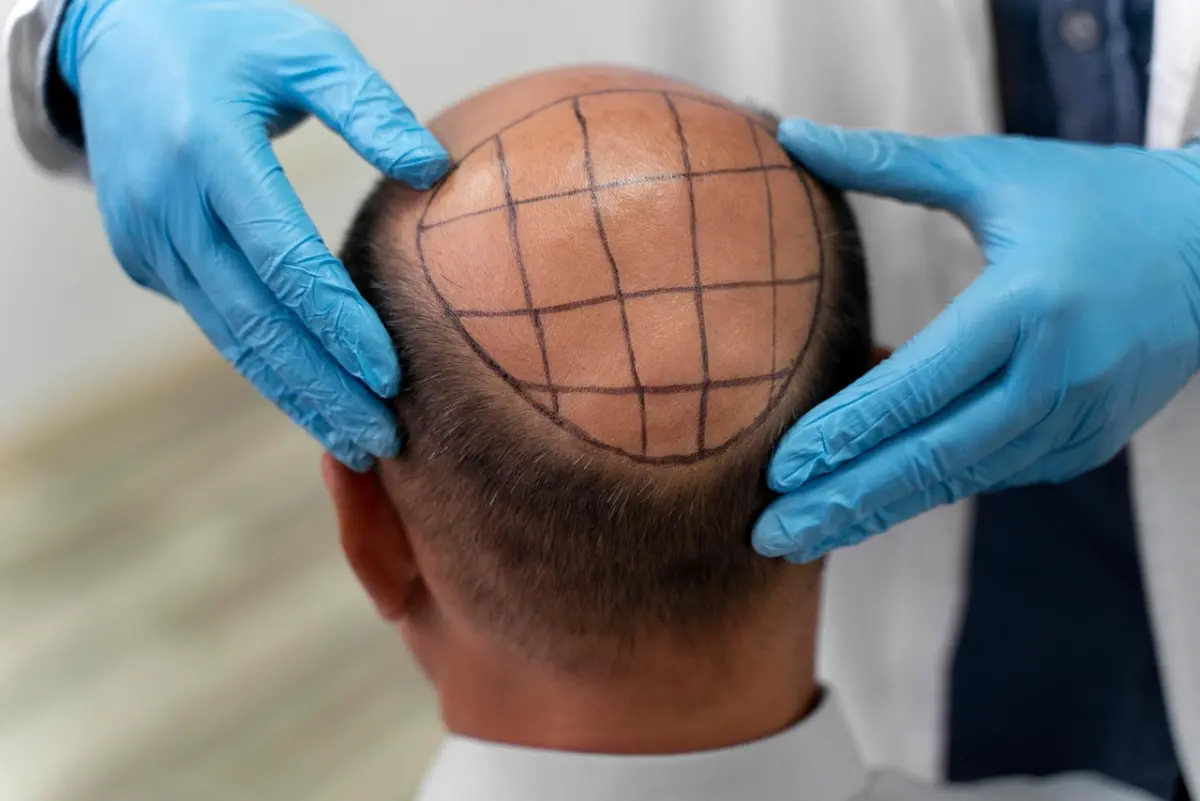
Mechanism of action
Finasteride is an oral medication that blocks the enzyme 5‑alpha‑reductase. This enzyme converts testosterone into dihydrotestosterone (DHT), a hormone that shortens the growth phase of scalp hair follicles. By lowering DHT levels, finasteride helps to slow the mini‑aturization of follicles that leads to pattern hair loss.
Typical dosing and administration
The most common prescription is 1 mg taken once daily. The tablet is swallowed with water and can be taken with or without food. Consistency matters; missing doses may reduce the drug’s effect on DHT suppression. For anyone considering finasteride, a discussion with a qualified clinician is essential to confirm suitability and to review possible interactions with other medicines.
Why patients pair finasteride with a hair transplant
Many people start finasteride before a transplant to preserve existing hair and to improve the overall density of the donor area. A healthier donor zone can provide more grafts and may reduce the need for repeat procedures. The Donor Area Management: Protecting Your Lifetime Supply guide explains how medical therapy and careful harvesting work together.
Timing relative to surgery
Clinicians often advise at least three months of finasteride use before the transplant. This window allows DHT levels to stabilize and gives the surgeon a clearer picture of the hair that will remain after surgery. After the procedure, some surgeons suggest continuing the medication for six months to a year, but the exact schedule should be personalized.
Potential side effects
Finasteride is generally well tolerated, yet a small percentage of users report sexual dysfunction, mood changes, or breast tenderness. These effects are usually reversible after discontinuation, but anyone experiencing persistent symptoms should contact their healthcare provider.
How to verify reliable information
Before starting finasteride, explore reputable sources on our Explore page, read real‑patient experiences in the Forum, and review the Scam Clinics guide to avoid unverified sellers. Making an informed decision reduces the likelihood of unexpected outcomes and helps you stay focused on realistic expectations.
Why Some Surgeons Recommend Finasteride Before a Transplant
Stabilizing the hormonal environment
Finasteride lowers scalp DHT levels, which slows the mini‑aturization process that continues even after grafts are placed. By giving the medication a few months before surgery, surgeons can see a more realistic picture of which hairs will survive long‑term. This “baseline” helps them plan graft distribution more accurately and avoid over‑harvesting from a donor zone that may still be losing hair.
Improving donor‑area density
A healthier donor strip supplies more viable follicles. When finasteride is started early, the existing hairs in the occipital and parietal regions tend to retain thickness, adding to the overall graft count. A denser donor area also means the surgeon may need fewer sessions to achieve the desired coverage. For a deeper look at protecting your donor supply, see the Donor Area Management: Protecting Your Lifetime Supply guide.
Reducing the risk of early graft loss
Some studies suggest that pre‑operative finasteride can lower the incidence of shock loss—temporary shedding of native hairs that occurs when the scalp is stressed by surgery. While the exact mechanism is still being explored, the medication’s ability to keep DHT low may give transplanted follicles a gentler environment during the critical first weeks.
Facilitating post‑operative maintenance
After the grafts have taken, the same hormonal pressure that caused the original thinning remains. Continuing finasteride post‑surgery helps preserve the native hairs that surround the new grafts, which can improve the visual blend and reduce the need for future touch‑ups. Many clinicians advise at least six months of continued therapy, but the duration should be discussed with a qualified professional.
When the recommendation may not apply
Not every patient is a candidate for finasteride. Men with certain medical histories, such as prostate conditions, or those who experience intolerable side effects may be advised to skip the drug. In those cases, surgeons might focus on alternative strategies, like low‑level laser therapy or platelet‑rich plasma, to support graft survival. Always verify information through trusted sources—check the Explore page for research articles, read real‑patient stories in the Forum, and consult the Scam Clinics guide to avoid unverified sellers.
Timing Finasteride With Your Transplant Procedure
Starting Finasteride Before Surgery
The decision to begin finasteride often comes well before the actual hair transplant procedure. Many hair restoration specialists advise patients to start finasteride at least three to six months prior to surgery. This pre-operative period serves several purposes. Primarily, it allows the medication to stabilize existing hair loss by reducing dihydrotestosterone (DHT) levels in the scalp. This stabilization helps surgeons assess the true extent of stable hair that will remain after the procedure, leading to more accurate graft planning. It also gives the native hairs, particularly in the donor area, an opportunity to thicken and strengthen, potentially yielding a higher quality and quantity of grafts. A healthier donor area is crucial for long-term results, as detailed in our Donor Area Management: Protecting Your Lifetime Supply guide. Starting early also helps identify any potential side effects of finasteride before the added stress of surgery.
Continuing Finasteride After Surgery
For most patients, finasteride is not a temporary measure but an ongoing part of their hair maintenance strategy. After a hair transplant, continuing finasteride is often recommended to protect the native, non-transplanted hairs from further thinning. While transplanted follicles are generally resistant to DHT, the surrounding native hairs may still be susceptible to androgenetic alopecia. By maintaining lower DHT levels, finasteride helps preserve these existing hairs, which contributes to a denser, more uniform appearance as the transplanted hair grows in. This ongoing therapy can also help minimize the risk of shock loss, a temporary shedding of native hairs that can sometimes occur after surgery. The duration of post-operative finasteride use is typically long-term, often for many years, but this should always be determined in consultation with a qualified medical professional.
Individualized Approach and Considerations
The precise timing and duration of finasteride use in conjunction with a hair transplant are highly individualized. Factors such as the patient's age, the pattern and progression of hair loss, overall health, and response to the medication all play a role. Some individuals may start finasteride years before considering a transplant, while others may begin just a few months prior. patients usually need to have an open discussion with your hair restoration specialist to develop a personalized treatment plan that considers your specific circumstances and goals. For those unable to take finasteride due to side effects or medical contraindications, alternative medical therapies may be explored. Before making any decisions, patients should conduct thorough research on our Explore page, consult patient experiences in the Forum, and be wary of misleading claims by reviewing our Scam Clinics guide.
Potential Benefits of Combining Finasteride With a Hair Transplant
Enhanced graft survival
Finasteride lowers scalp DHT, which reduces the hormonal pressure on both native and transplanted follicles. When the medication is in place before the grafts are implanted, the surrounding hairs are less likely to enter the shedding phase that sometimes follows surgery. This calmer environment can give the newly placed follicles a better chance to establish blood supply and begin growth without competing against aggressive mini‑aturization.
Improved overall density
Maintaining a healthier donor zone and surrounding scalp can increase the visual fullness of the result. Patients who continue finasteride after the procedure often notice that the hairs that were not moved retain more thickness, allowing the transplanted area to blend more naturally. The combined effect can reduce the number of grafts needed to achieve a satisfactory look, especially in regions where density is already limited.
Reduced likelihood of future touch‑ups
Because finasteride addresses the underlying androgen‑driven process, the rate of new hair loss slows down. This slowdown means that the transplanted zone is less likely to require additional sessions years later. While individual outcomes vary, many patients find that a consistent medication regimen lessens the frequency of follow‑up procedures.
Synergy with post‑operative care
Standard post‑operative protocols include gentle scalp hygiene, avoiding tension, and sometimes low‑level laser therapy. Adding finasteride to this routine creates a multi‑layered approach: the drug controls hormonal factors, while the other measures protect the physical integrity of the grafts. For a deeper look at how the crown area can present unique challenges, see our Crown Hair Transplant: Why the Vertex Is Harder guide.
Practical research steps
Before deciding on a combined plan, explore peer‑reviewed articles on the Explore page, read real‑patient experiences in the Forum, and verify clinic credibility with the Scam Clinics guide. Understanding both the medication’s profile and the surgical technique helps you set realistic expectations and choose a strategy that aligns with your personal goals.
Common Side Effects and Safety Considerations
While finasteride is generally well-tolerated by many individuals, it is important for patients to be aware of its potential side effects and safety considerations. Understanding these aspects allows for informed decision-making and proactive management in consultation with a healthcare professional. The medication works by inhibiting the enzyme 5-alpha-reductase, which reduces the conversion of testosterone to dihydrotestosterone (DHT). This mechanism, while effective for hair preservation, can sometimes lead to systemic effects.
Sexual Side Effects
The most commonly discussed side effects of finasteride relate to sexual function. These can include decreased libido (sex drive), erectile dysfunction (difficulty achieving or maintaining an erection), and ejaculatory disorders, such as reduced ejaculate volume. The incidence of these side effects is generally low, affecting a small percentage of users. For many, these effects are temporary and may resolve with continued use as the body adjusts to the medication, or they typically reverse upon discontinuation of the drug. However, some individuals report persistent sexual side effects even after stopping finasteride, a condition sometimes referred to as Post-Finasteride Syndrome (PFS). While the exact mechanisms and prevalence of PFS are still being studied, it highlights the importance of careful consideration and discussion with a doctor before starting treatment.
Other Potential Side Effects
Beyond sexual function, other potential side effects, though less common, can occur. These may include mood changes, such as feelings of depression or anxiety. Some individuals may experience breast tenderness or enlargement (gynecomastia). Allergic reactions, like rash, itching, or swelling of the lips and face, are rare but require immediate medical attention. There have also been reports of changes in liver enzyme levels, though this is uncommon and usually monitored through blood tests if a doctor deems it necessary. patients should report any unusual or concerning symptoms to your doctor promptly. Maintaining overall health and being vigilant about changes in your body is always important, especially when considering any medical treatment, including precautions like those discussed in our guide on Infection Risk After Hair Transplant: Prevention and Warning Signs.
Safety Considerations and Monitoring
Before starting finasteride, a thorough medical evaluation is essential. Your doctor will review your medical history, current medications, and any pre-existing conditions to determine if finasteride is appropriate for you. Regular follow-up appointments are often recommended to monitor for any side effects and assess the medication's effectiveness. Patients should openly communicate any concerns or changes in their health during these visits. For those who experience intolerable side effects, discontinuing the medication under medical guidance is an option, and alternative hair loss treatments can be explored. It is vital to remember that finasteride is not suitable for women who are pregnant or may become pregnant due to the risk of birth defects in a male fetus. For comprehensive information and patient experiences, we encourage you to visit our Explore page and participate in discussions on the Forum. Always be critical of claims that seem too good to be true, and consult our Scam Clinics guide for advice on identifying misleading information.
Managing Expectations and Monitoring Progress
Understanding how a hair transplant and finasteride work together helps you set realistic goals and follow a clear post‑procedure plan. Results typically appear in stages, and each stage can be tracked with simple tools and regular check‑ins. By keeping expectations grounded and monitoring progress objectively, you can adjust treatment as needed and stay confident in the process.
Set a realistic timeline
Most patients notice the first signs of new growth between three and six months after surgery. The shedding phase that follows the transplant—often called “shock loss”—is normal and usually resolves within the first two months. Full density may not be apparent until 12‑18 months, especially when finasteride is used to preserve surrounding hairs. Remember that individual hair cycles, age, and scalp health all influence timing.
Document changes with photos
Take standardized photographs (same lighting, distance, and angle) at baseline, then at 1‑month, 3‑month, 6‑month, and yearly intervals. Comparing these images side‑by‑side provides a visual record that is more reliable than memory alone. If you need guidance on protecting your donor supply while taking photos, see our Donor Area Management: Protecting Your Lifetime Supply guide.
Track graft survival and shedding
During the first few weeks, count the number of grafts that appear to fall out each day. A modest amount of shedding is expected; a sudden, large increase may signal irritation or infection. Monitoring this pattern helps you decide whether to contact your clinic or adjust post‑operative care.
Adjust finasteride use based on progress
Finasteride typically takes 3‑6 months to show a measurable effect on DHT levels. If you notice continued thinning in the non‑transplanted zones after this period, discuss dosage or alternative medications with your may suggest physician. Regular blood work can confirm that hormone levels are responding as intended.
Watch for warning signs
Persistent redness, swelling, or pain beyond the first week may indicate infection or an adverse reaction. Sudden, extensive graft loss or unusual scalp sensations should prompt a prompt evaluation. For detailed infection‑prevention tips, refer to our Infection Risk After Hair Transplant: Prevention and Warning Signs article.
Leverage community resources
Reading real‑patient stories on the Forum can provide perspective on what typical progress looks like. The Explore page offers research summaries that help you stay informed about the latest findings on finasteride and graft survival. If you encounter clinics that make unrealistic promises, consult the Scam Clinics guide to protect yourself.
FAQ – Managing Expectations and Monitoring Progress
What should I expect in the first month after a transplant?
In the initial weeks, the scalp may feel tight, and small scabs can form around graft sites. Some patients experience mild itching or a tingling sensation as the transplanted follicles settle. Shedding of existing hairs near the grafts is common and usually resolves within 2‑4 weeks.
How often should I take photos to track results?
Most clinicians recommend a baseline set of photos before surgery, then follow‑up images at 1, 3, 6, and 12 months. Additional pictures can be taken whenever you notice a change you want to document. Consistency in lighting and camera position is key for accurate comparison.
When is it appropriate to discuss changing my finasteride dosage?
If you have been on finasteride for at least three months and still see noticeable thinning in untreated areas, schedule a review with your may suggest doctor. Blood tests can confirm whether DHT levels have decreased sufficiently, guiding any dosage adjustments.
How to Discuss Finasteride With Your Hair Restoration Team
Engaging in an open and thorough discussion about finasteride with your hair restoration team is a crucial step in developing a personalized and effective treatment plan. This conversation allows your medical professionals to understand your unique health profile, hair loss patterns, and restoration goals, ensuring that finasteride is integrated safely and appropriately into your overall strategy. It's an opportunity to ask questions, voice concerns, and establish clear expectations for the role of medication in supporting your hair transplant results.
Why Open Communication is Essential
Finasteride often plays a significant role in a comprehensive hair restoration strategy, particularly for preserving existing hair and supporting the longevity of transplanted grafts. Your hair restoration team needs a complete picture of your health, medical history, and personal expectations to provide the best possible advice. This collaborative approach ensures that the decision to use finasteride is well-informed and aligns with your individual circumstances, supporting a shared understanding of the treatment path ahead.
What to Share About Your Health
During your consultation, be prepared to provide a detailed medical history. This includes any pre-existing health conditions, all current medications (prescription and over-the-counter), supplements, and known allergies. It is equally important to discuss any past or current experiences with finasteride or other hair loss treatments, including any side effects you may have encountered. Sharing your family history of hair loss or related conditions can also offer valuable context for your team.
Articulating Your Hair Restoration Goals
Clearly explain what you hope to achieve with both your hair transplant and the use of finasteride. Discuss your concerns about future hair loss and how you anticipate finasteride might address these. It is important to maintain realistic expectations; finasteride primarily works to preserve existing hair and can help support transplanted hair, but it does not regrow all lost hair. Consider how finasteride might impact areas like the crown, which can be particularly challenging to manage without medical therapy. Our guide on Crown Hair Transplant: Why the Vertex Is Harder offers more insight into these complexities.
Understanding Finasteride's Role in Your Plan
Ask your team to explain precisely how finasteride works in conjunction with your hair transplant procedure. Clarify the recommended dosage, the expected duration of treatment, and the anticipated timeline for seeing results from finasteride, noting how it complements the transplant's growth cycle. Discuss potential side effects in detail, along with strategies for monitoring or managing them. Understanding the importance of consistent use for sustained benefits is also key.
Preparing for Your Consultation
To make the most of your consultation, write down all your questions beforehand. This helps ensure that all your concerns are addressed during the appointment. Be prepared to discuss aspects of your lifestyle, including diet, exercise, and stress levels, as these can influence overall health and hair quality. Bring a list of any questions you have about the long-term commitment to finasteride and its implications. Remember, this is an opportunity to gather information and make an informed choice, not to feel pressured into a decision. For broader research, visit our Explore page.
Ongoing Dialogue and Monitoring
After starting finasteride, maintaining regular communication with your hair restoration team and may suggest doctor is essential. Report any side effects or concerns promptly, and discuss any changes in your hair density or scalp health. Your team can help you monitor progress and adjust the treatment plan if necessary. Engaging with patient experiences on the Forum can also provide valuable perspectives, but always prioritize your doctor's advice. Be wary of clinics that offer one-size-fits-all solutions; our Scam Clinics guide can help you identify red flags.
Frequently asked questions
Do I need to start finasteride before my hair transplant?
Starting finasteride before surgery is optional and depends on individual hair loss patterns, the surgeon’s protocol, and personal health factors. Some patients begin a few months in advance to lower DHT levels, which may help preserve existing hair while the transplanted grafts heal.
Can I continue finasteride after the transplant?
Many clinicians suggest maintaining finasteride long‑term after a transplant to support the health of native hair and reduce the chance of future thinning. Continuation should be discussed with a may suggest physician to weigh benefits against any side effects.
What are the most common side effects of finasteride?
Typical side effects include reduced libido, erectile changes, and occasional mood shifts. Most are mild and reversible after stopping the medication, but anyone experiencing persistent symptoms should contact their healthcare provider.
Is there a risk that finasteride will interfere with graft survival?
Current evidence does not show that finasteride harms graft survival. The medication works systemically to lower DHT, while grafts rely on blood supply from the scalp. Still, patients should follow post‑operative instructions and keep their surgeon informed about any medications they are taking.
How long does it usually take to see results from finasteride?
Visible changes often appear after three to six months of consistent use, though individual response times vary. Patience is important because hair growth cycles are gradual.
This content is for educational purposes only and does not constitute medical advice. Always consult a qualified hair restoration surgeon before making treatment decisions.