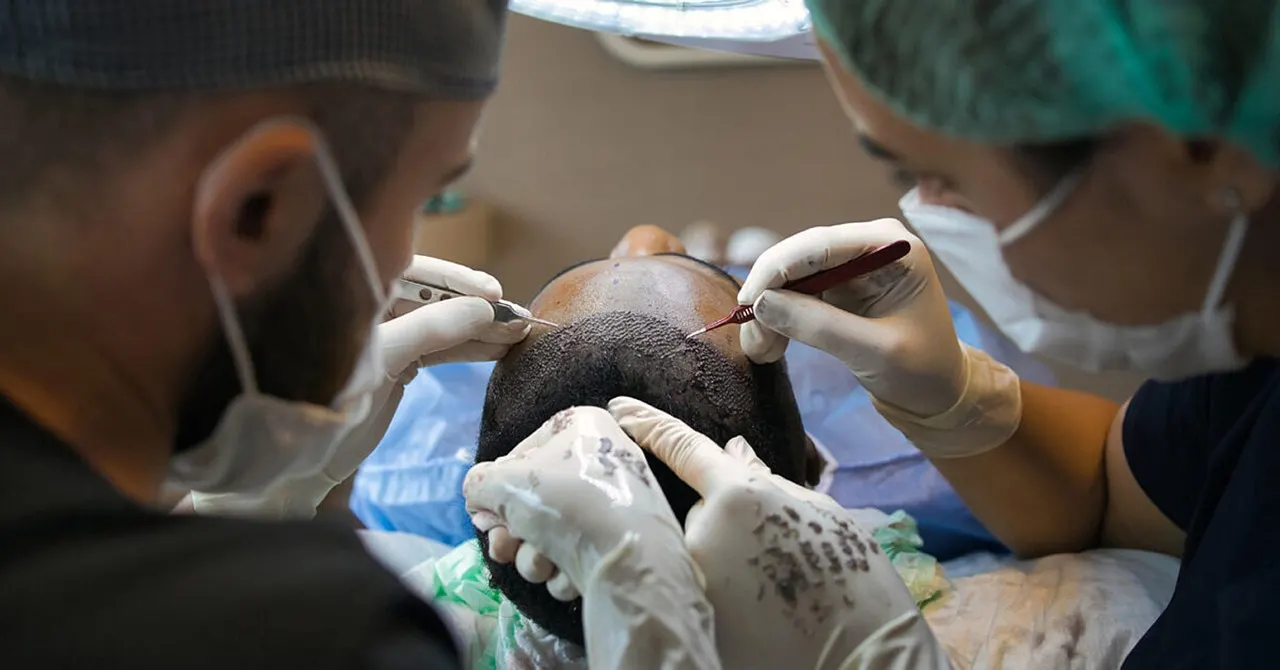
Whorl angles, illusion of density, graft hunger in the crown, and sequencing frontal vs vertex work. Compare verified clinics, read patient stories on the forum, and review our scam clinic checklist before you book.
Understanding the Crown and Vertex
Anatomy of the crown
The crown, also called the vertex, is the rounded area at the top of the scalp where hair growth patterns converge. Unlike the frontal hairline, the crown does not have a single, linear direction; instead, follicles grow in a whorl‑like fashion. This natural swirl creates zones where hair angles shift dramatically, making the region appear denser when healthy and more noticeable when thinning.
Why the vertex behaves differently
Two factors make the vertex harder to treat than other zones. First, the whorl creates a three‑dimensional surface that limits how grafts can be oriented without creating an unnatural look. Second, the scalp in this area tends to be tighter, reducing the amount of elastic tissue that can be stretched to accommodate a high graft count. Because of these constraints, surgeons often need to plan a lower graft density for the vertex compared to the frontal or mid‑scalp zones. For a realistic picture of what density is achievable, see our guide on Hair Transplant Density: Realistic Expectations by Zone.
Implications for graft placement
When planning a crown transplant, the angle and direction of each graft must follow the existing whorl pattern. Misaligned grafts can stand out as a “puffy” or “spiky” patch. To avoid this, many clinics use magnification tools and pre‑operative mapping software. Patients should also be aware that the crown may require multiple sessions to reach a satisfactory appearance, especially if the donor supply is limited.
Common patient concerns
Because the vertex is a focal point for many people’s self‑image, questions about scar visibility, post‑operative swelling, and long‑term hair stability are frequent. Detailed discussions with a qualified clinic can clarify how the healing process differs from other areas. For community advice and real‑world experiences, visit the Forum where members share photos and timelines.
How to research reputable clinics
Start by browsing the Explore section to compare clinic credentials, read patient testimonials, and check for accreditation. Be cautious of offers that sound too good to be true; the Scam Clinics guide lists red flags such as unrealistically low prices, lack of before‑and‑after documentation, and pressure to book immediately. Taking the time to verify a clinic’s track record helps set realistic expectations for crown results.
Anatomy of the Whorl Pattern
Understanding the Natural Swirl
The hair whorl, a distinct feature of the crown, is a natural spiral or circular pattern formed by the way hair follicles emerge from the scalp. Unlike the more uniform growth patterns seen along the hairline or mid-scalp, hair in the vertex radiates outwards from a central point, or sometimes two points, creating a unique visual effect. This detailed design means that individual hairs exit the scalp at varying angles and directions, often overlapping each other. This overlapping contributes to the perception of fullness in a healthy crown, as light reflects differently off the multi-directional strands. The specific direction of the swirl, whether clockwise or counter-clockwise, is unique to each individual and is a key anatomical detail that a surgeon must observe and replicate.
The Challenge of Mimicking Nature
Replicating the natural whorl pattern during a hair transplant presents a significant challenge. For a natural-looking outcome, each transplanted graft must be meticulously oriented to match the existing or intended swirl. If grafts are placed without careful consideration of these angles and directions, the transplanted hair can appear unnatural, standing straight up or creating a "spiky" texture that contrasts sharply with the surrounding native hair. The goal is not just to add hair, but to integrate it seamlessly into the complex three-dimensional flow of the existing growth. This requires a high degree of precision and artistic skill from the surgical team, often involving specialized tools and magnification to ensure accurate graft placement.
Impact on Coverage and Visual Density
The whorl pattern also influences how coverage and visual density are achieved in the crown. Because hair strands crisscross and overlap, a relatively lower number of grafts can sometimes create a surprisingly full appearance compared to a linear area like the frontal hairline. However, this also means that if the underlying pattern is not respected, even a high number of grafts may not yield the desired visual density or a natural flow. The illusion of density in the crown relies heavily on the correct angulation and direction of the transplanted follicles, allowing them to interweave and cover the scalp effectively. Patients should discuss with their clinic how the unique characteristics of their whorl will be addressed to achieve the best possible coverage. For insights into managing post-operative concerns, our article on Shock Loss After Hair Transplant: Causes and Timeline offers valuable information.
Considerations for Progressive Hair Loss
The crown is an area prone to progressive hair loss, meaning the thinning can continue even after a transplant. The expanding nature of pattern baldness in the vertex can gradually enlarge the area of the whorl, revealing previously transplanted hair that no longer blends with the receding native hair. This necessitates a long-term perspective when planning a crown transplant. A reputable clinic will discuss strategies for managing future hair loss, which might include medical therapies or the possibility of future sessions to maintain density and a natural appearance as the original hair loss progresses. Understanding these long-term implications is crucial for setting realistic expectations and planning for sustained results.
FAQ: Crown Hair Transplant and the Whorl Pattern
Q: What is a hair whorl?
A: A hair whorl is a natural spiral or circular pattern of hair growth, most commonly found on the crown of the head, where hair strands emerge from the scalp at varying angles and directions, creating a distinct swirl.
Q: Why is the crown whorl difficult for hair transplants?
A: The crown whorl is challenging because it requires precise graft placement to match the complex, multi-directional angles and directions of the existing hair. Incorrect placement can result in an unnatural appearance where transplanted hairs do not blend seamlessly with the surrounding native hair.
Q: Can a natural-looking whorl be recreated with a hair transplant?
A: Yes, with careful planning, skilled execution, and proper graft angulation, a natural-looking whorl pattern can be recreated. The success depends on the surgeon's ability to mimic the individual's unique hair growth directions and angles in the crown area.
Why the Vertex Presents Technical Challenges
Navigating Complex Hair Angles and Directions
The vertex, or crown, presents unique technical challenges primarily due to the detailed growth pattern of hair in this region. Unlike the relatively uniform direction of hair along the frontal hairline, the crown features a natural whorl, where hair emerges from the scalp at acute angles and in multiple, often swirling, directions. Replicating this complex, three-dimensional pattern requires exceptional precision during graft placement. Each follicular unit must be oriented to match the existing or intended swirl, ensuring the transplanted hair lies flat and blends seamlessly with surrounding native hair. Incorrect angulation can lead to an unnatural, "spiky" appearance where hairs stand out from the scalp, failing to integrate into the natural flow. This demands a surgeon's keen eye for detail and extensive experience in managing the specific demands of the crown.
Considerations for Scalp Laxity and Blood Supply
Another technical hurdle in crown hair transplantation relates to the characteristics of the scalp itself. The skin on the vertex can sometimes be less pliable and have a tighter texture compared to other areas of the scalp. This reduced laxity can make it more challenging to create recipient sites at the precise angles needed for a natural whorl pattern. Additionally, while the scalp generally has a robust blood supply, some clinics consider the crown to have a slightly less advantageous vascularity compared to the frontal scalp, which could theoretically influence graft survival. While modern techniques have largely mitigated this concern, careful planning and execution remain crucial to ensure optimal conditions for transplanted follicles. Patients should discuss these factors with their clinic to understand how their individual scalp characteristics might influence the procedure.
Addressing Progressive Hair Loss in the Crown
The crown is often one of the last areas to stabilize in terms of hair loss, meaning that even after a transplant, native hair in the surrounding region may continue to thin or recede. This progressive nature of androgenetic alopecia in the vertex poses a long-term planning challenge. A successful crown transplant must not only address the current area of thinning but also anticipate future hair loss to ensure a natural appearance over time. This often involves a strategy that includes medical management to preserve existing hair and potentially planning for future sessions to maintain density as the original hair loss progresses. Without this foresight, a transplanted crown might eventually appear isolated as surrounding native hair continues to diminish, creating an unnatural contrast. For information on managing potential post-operative issues, our guide on Infection Risk After Hair Transplant: Prevention and Warning Signs provides practical advice.
Achieving Visual Density and Coverage
The visual perception of density in the crown is heavily influenced by the multi-directional growth of the whorl pattern. Because hairs cross and overlap, a certain number of grafts can create a more visually dense effect than in a linear area. However, this also means that if the detailed angles are not respected, even a high number of grafts may not achieve the desired visual fullness or natural coverage. Light reflection plays a significant role here; hair that is properly angled and directed can obscure the scalp more effectively. Achieving satisfactory coverage in the crown often requires a meticulous approach to graft distribution and angulation, sometimes necessitating multiple sessions to build up density gradually and ensure a natural, blended outcome. Patients should have realistic expectations about the density achievable in this complex area, which can be explored further in the Explore section, where clinics often show results.
FAQ: Technical Challenges of Crown Transplants
Q: Why are hair angles so important in a crown transplant?
A: Hair angles are crucial in a crown transplant because the natural whorl pattern involves hair growing in multiple directions and at acute angles. Replicating these precise angles is essential to ensure transplanted hair lies flat and blends naturally, avoiding an unnatural, spiky appearance.
Q: Does scalp tightness affect crown hair transplants?
A: Yes, scalp tightness in the crown can present a challenge. Reduced scalp laxity can make it harder to create recipient sites at the optimal angles needed for a natural whorl pattern, requiring a surgeon with specialized skill and experience.
Q: How does progressive hair loss impact crown transplant planning?
A: Progressive hair loss in the crown means that native hair around the transplanted area may continue to thin over time. Effective planning must anticipate this future loss, often incorporating medical therapies or considering future transplant sessions to maintain a natural appearance and density as hair loss progresses. For community discussions and shared experiences on long-term outcomes, visit the Forum.
Graft Survival Considerations in the Crown
The Role of Blood Supply and Tissue Health
The successful survival of transplanted hair grafts hinges significantly on the blood supply available in the recipient area. Each follicular unit, once extracted, relies on the surrounding tissue for nourishment to establish itself and begin growing. While the scalp generally possesses a rich vascular network, some discussions suggest the crown, or vertex, might have a slightly less robust blood supply compared to the frontal scalp. This is a factor that clinics consider when planning a crown transplant. Healthy tissue in the recipient area is paramount; any pre-existing conditions or damage to the scalp can potentially affect how well grafts integrate. A thorough assessment of scalp health and vascularity is part of the pre-operative evaluation, ensuring the best possible environment for the transplanted follicles to thrive. Patients should openly discuss their medical history and any scalp conditions with their clinic to ensure all factors are considered for optimal graft survival.
Impact of Recipient Site Creation
The method and precision of creating recipient sites in the crown play a crucial role in graft survival. Given the complex, multi-directional whorl pattern of the vertex, each incision must be made at the correct angle, depth, and direction to mimic natural hair growth. Improperly created sites can damage the delicate follicular units during placement or compromise their ability to receive adequate blood flow. For instance, if sites are too shallow, grafts may "pop out" or fail to anchor properly. If they are too deep, they might be deprived of oxygen. The density of recipient sites also requires careful management; placing too many grafts too closely together can potentially compromise the blood supply to individual grafts, leading to lower survival rates. Balancing the desire for high density with the biological capacity of the scalp to support the grafts is a critical aspect of planning, as explored in our guide on Hair Transplant Density: Realistic Expectations by Zone. The skill of the surgical team in creating these precise sites directly influences how well the grafts will survive and integrate.
Post-Operative Care and Healing Environment
The period immediately following a hair transplant is critical for graft survival, and this is especially true for the crown. Proper post-operative care is essential to protect the newly transplanted follicles and promote a healthy healing environment. Patients must meticulously follow instructions regarding washing, medication, and activity restrictions. Trauma to the transplanted area, such as rubbing, scratching, or impact, can dislodge grafts and compromise their survival. Exposure to direct sunlight, excessive sweating, or certain chemicals can also negatively impact healing. Maintaining good hygiene helps prevent infection, which can severely threaten graft viability. While clinics provide detailed aftercare instructions, patients' adherence to these guidelines is a significant determinant of the final outcome. For discussions and shared experiences on managing the post-operative period, the Forum can be a valuable resource.
Challenges of Progressive Hair Loss and Graft Planning
The progressive nature of pattern baldness in the crown presents a unique challenge for long-term graft survival and the overall aesthetic outcome. Even if grafts survive well initially, ongoing hair loss in the surrounding native hair can create an unnatural appearance over time, making the transplanted area seem isolated. This means that planning for a crown transplant must consider not just current hair loss, but also the potential for future thinning. Clinics often discuss strategies like medical management (e.g., finasteride or minoxidil) to stabilize existing hair loss and preserve native follicles, thereby supporting the long-term integration and visual density of the transplanted grafts. Without a comprehensive long-term plan, the perceived "survival" of the transplant might diminish as the surrounding scalp continues to recede. Understanding these long-term dynamics is crucial for setting realistic expectations and exploring options in the Explore section.
Avoiding Common Pitfalls for Better Outcomes
To maximize graft survival in a crown hair transplant, patients should prioritize selecting a reputable and experienced clinic. Clinics that rush procedures, lack proper magnification, or employ inexperienced technicians may compromise graft handling and placement, directly affecting survival rates. It is important to inquire about the clinic's protocols for graft storage, handling, and placement, as these factors are directly linked to viability. Patients should also be wary of clinics that make unrealistic promises about density or "consistent" outcomes, as these can be red flags. Researching potential clinics thoroughly and understanding the nuances of graft survival can help patients avoid situations that might lead to poor results. Our guide on Scam Clinics offers insights into identifying and avoiding problematic practices in the industry.
FAQ: Graft Survival in the Crown
Q: What factors most influence graft survival in the crown?
A: Graft survival in the crown is primarily influenced by the health of the recipient scalp's blood supply, the precision of recipient site creation (angle, depth, direction), meticulous graft handling during the procedure, and diligent post-operative care by the patient.
Q: Can a less robust blood supply in the crown affect graft survival?
A: While the scalp generally has a good blood supply, some suggest the crown might have slightly less robust vascularity compared to the frontal scalp. Clinics account for this by ensuring optimal recipient site creation and careful graft placement to maximize the chances of graft integration and survival.
Q: How important is post-operative care for crown graft survival?
A: Post-operative care is extremely important for crown graft survival. Protecting the newly transplanted grafts from trauma, following washing instructions, and adhering to all aftercare guidelines are critical to ensure the grafts anchor properly, heal, and begin to grow without complications like dislodgement or infection.
Planning a Vertex Hair Transplant
A vertex hair transplant, targeting the crown area, requires meticulous planning due to the unique challenges of this region, including complex hair growth patterns, potential progressive hair loss, and the need for long-term aesthetic integration. Effective planning involves a thorough consultation, careful assessment of donor hair, and a strategic approach to graft placement and density.The Initial Consultation and Assessment
The planning phase for a vertex hair transplant begins with a comprehensive consultation. During this meeting, a qualified professional will assess the extent of hair loss in the crown, evaluate the quality and quantity of your donor hair, typically from the back and sides of the head, and discuss your aesthetic goals. They will also examine your scalp health, considering factors like laxity and any underlying conditions that might influence the procedure. This initial assessment is crucial for determining if you are a suitable candidate for a crown transplant and for formulating a personalized treatment plan. Be prepared to discuss your medical history, current medications, and any previous hair loss treatments. This is also an opportunity to ask questions and understand the potential outcomes.Strategic Donor Area Management
Given that the crown often requires a significant number of grafts and that hair loss in this area can be progressive, careful management of the donor area is paramount. The goal is to harvest enough healthy follicular units without over-harvesting, which could lead to thinning or visible scarring in the donor region. The clinic will assess the density, caliber, and overall health of your donor hair to determine the maximum number of grafts that can be safely extracted. Planning may also involve considering future hair loss and the possibility of additional transplant sessions, meaning that donor hair must be preserved for potential later use. Understanding the limitations and capabilities of your donor supply is a key part of setting realistic expectations for your crown transplant. For more information on managing expectations, our guide on Hair Transplant Density: Realistic Expectations by Zone offers valuable insights.Crafting a Long-Term Strategy
One of the most critical aspects of planning a vertex hair transplant is developing a long-term strategy. Unlike the frontal hairline, where hair loss tends to stabilize earlier, the crown can experience ongoing thinning of native hair even after a transplant. This necessitates a plan that anticipates future hair loss. Many clinics recommend combining a transplant with medical therapies, such as finasteride or minoxidil, to help preserve existing hair and potentially slow further loss. The long-term plan should aim to create a natural-looking result that ages well, avoiding an "island" of transplanted hair if surrounding native hair continues to recede. This might involve planning for future sessions to maintain density and blend as hair loss progresses. Patients should engage in open discussions with their clinic about these long-term considerations to ensure a sustainable and satisfying outcome. For a broader understanding of hair transplant considerations, the Explore section provides extensive resources.Setting Realistic Expectations for the Vertex
Due to the technical complexities and the progressive nature of hair loss in the crown, setting realistic expectations is fundamental. Achieving the same density or immediate visual impact as a frontal hairline transplant can be more challenging. The multi-directional growth pattern, while creating an illusion of density, also means that achieving full coverage can require a substantial number of grafts and sometimes multiple sessions. Patients should understand that results are individual and can vary. It is important to focus on achieving a natural-looking improvement rather than aiming for an unrealistic level of density. Clinics should provide clear visual examples and discuss potential limitations. Be cautious of any clinic that promises outcomes that seem too good to be true, as this can be a sign of a problematic practice. Our guide on Scam Clinics offers advice on identifying such red flags. Engaging with others' experiences on the Forum can also help in forming realistic perspectives.FAQ: Planning a Vertex Hair Transplant
Q: What is the first step in planning a crown hair transplant?
A: The first step is a comprehensive consultation with a qualified professional. They will assess your hair loss, evaluate your donor hair, discuss your aesthetic goals, and determine your suitability for the procedure, forming the basis of your personalized treatment plan.
Q: Why is donor area management so important for crown transplants?
A: Donor area management is crucial because the crown often requires many grafts, and hair loss can be progressive. Careful planning ensures enough healthy follicular units are harvested without over-harvesting, preserving the donor area for potential future sessions and maintaining its aesthetic integrity.
Q: Should I expect a crown transplant to be a one-time procedure?
A: Not necessarily. Due to the progressive nature of hair loss in the crown, a long-term strategy is often recommended. This might include medical therapies to preserve existing hair and potentially planning for future transplant sessions to maintain density and a natural appearance as hair loss progresses over time.
Post‑Procedure Care for Crown Transplants
The period immediately following a hair transplant to the crown, or vertex, is crucial for the successful integration and growth of the newly placed follicular units. Proper post-procedure care is not just a recommendation; it is a fundamental aspect of achieving the best possible outcome. The delicate nature of the transplanted grafts, especially in an area that can be prone to accidental contact, demands meticulous attention to detail. Adhering strictly to the clinic's aftercare instructions helps protect the grafts, promotes healthy healing, and minimizes the risk of complications. Understanding what to expect and how to care for your scalp in the weeks and months following the procedure is essential for every patient.
Immediate Aftercare and Protecting New Grafts
In the first few days after a crown hair transplant, the primary focus is to protect the newly placed grafts from any trauma. The transplanted area will be sensitive, and small scabs will form around each graft. It is vital to avoid touching, rubbing, or scratching the scalp, as this can dislodge the delicate follicles. Clinics typically provide specific instructions on sleeping positions, often recommending sleeping with your head elevated and using a neck pillow to prevent accidental contact with the crown. You may also be advised to wear a loose-fitting cap or headband if you need to go outdoors, primarily to shield the area from direct sunlight and dust, rather than for compression. Any impact or friction on the transplanted zone during this initial phase can significantly affect graft survival.
Washing and Scalp Hygiene Protocols
Maintaining proper hygiene without disturbing the grafts is a critical part of post-procedure care. Your clinic will provide detailed instructions for washing your scalp, which usually begins a few days after the procedure. This typically involves gently applying a specialized shampoo and lukewarm water, often by dabbing or pouring rather than rubbing. The goal is to keep the scalp clean, remove any dried blood or scabs, and prevent infection, all while ensuring the grafts remain undisturbed. As the scabs naturally soften and fall off over the next 10-14 days, the grafts will become more securely anchored. For comprehensive guidance on keeping your scalp healthy and preventing issues during this vital period, our guide on Infection Risk After Hair Transplant: Prevention and Warning Signs offers valuable insights.
Managing Swelling, Discomfort, and Other Expected Changes
It is common to experience some swelling, redness, and mild discomfort in the days following a crown transplant. Swelling often begins in the forehead and can move down to the eyes before subsiding. Your clinic may may suggest anti-inflammatory medications or recommend cold compresses to help manage this. Numbness or a tingling sensation in the donor and recipient areas is also a normal temporary side effect as nerves heal. Itching can occur as the scalp heals, but it is important to resist scratching. Over-the-counter pain relievers can help with any discomfort. Patients should be aware that some transplanted hairs may shed within a few weeks, a phenomenon known as shock loss, before new growth begins.
Activity Restrictions and Long-Term Considerations
To ensure optimal healing and graft survival, certain activities must be restricted for a period. Strenuous exercise, heavy lifting, and activities that cause excessive sweating should be avoided for several weeks, as they can increase blood pressure to the scalp and potentially dislodge grafts or increase swelling. Direct exposure to strong sunlight should also be minimized. As you move beyond the initial healing phase, typically after a few weeks, you can gradually resume normal activities. Long-term care often involves continuing medical therapies, such as finasteride or minoxidil, to support the health of both transplanted and existing hair, and to manage progressive hair loss in the crown. For ongoing discussions and shared experiences related to recovery and long-term care, the Forum can be a helpful resource. To further your understanding of the entire hair transplant process and recovery, the Explore section provides extensive resources. Understanding these guidelines and actively participating in your recovery process is key to a successful outcome.
Common Myths About Crown Restoration
The crown, or vertex, is a distinct area of the scalp, and restoring hair there often comes with its own set of misconceptions. Patients frequently approach a crown hair transplant with expectations shaped by experiences with frontal hairline procedures, or by general information that doesn't fully account for the unique challenges of the vertex. Understanding these common myths is crucial for setting realistic expectations and preparing for a successful outcome. This section aims to clarify some prevalent misunderstandings, helping you navigate your research with accurate information.
Myth: Transplanting the Crown Is Just Like Any Other Area
One of the most common misunderstandings is that the crown area can be treated identically to the frontal hairline or temples. While the fundamental principles of hair transplantation remain the same, the vertex presents unique anatomical and aesthetic challenges. Hair in the crown grows in a complex whorl pattern, often radiating outwards from a central point. Replicating this natural growth direction and angle requires significant skill and experience to ensure a natural appearance. Unlike the linear nature of a hairline, the multi-directional growth in the crown creates an illusion of density that is harder to achieve with transplanted grafts alone. also, the crown is often a large area, potentially requiring a substantial number of grafts, which places greater demands on the donor supply. This complexity means that a strategic approach, distinct from other scalp areas, is essential for a satisfactory result.
Myth: Full Density Is Achievable in a Single Session
Patients often hope for a dense, full head of hair in the crown after just one procedure. While significant improvement is certainly possible, achieving what might be considered "full" density in the crown can be challenging and often requires multiple sessions. The sheer size of the crown area, combined with the need to mimic its natural whorl pattern, means that a large number of grafts are frequently needed. The availability of donor hair is a limiting factor, and over-harvesting can compromise the donor area's appearance. Additionally, the visual impact of density in the crown is influenced by the hair's length and styling. For realistic insights into what can be achieved, our guide on Hair Transplant Density: Realistic Expectations by Zone provides valuable context. It is important to understand that the goal is often to create a natural-looking coverage and blend, rather than an unrealistic level of thickness, especially in a single procedure. Engaging with others' experiences on the Forum can also help in forming realistic perspectives.
Myth: Transplanted Hair Stops All Future Hair Loss
Many believe that once hair is transplanted to the crown, the problem of hair loss in that area is permanently resolved. This is a significant misconception. While the transplanted follicular units are generally resistant to the type of hair loss that affects the crown (androgenetic alopecia), the native hair surrounding these grafts is still susceptible to progressive thinning. This means that over time, existing non-transplanted hair in the crown can continue to recede or thin, potentially leaving transplanted hair as an isolated "island" if not managed proactively. For this reason, clinics frequently recommend combining a crown transplant with ongoing medical therapies, such as finasteride or minoxidil, to help preserve existing native hair and potentially slow further loss. A long-term strategy is crucial for maintaining a consistent and natural appearance as you age. For a broader understanding of hair transplant considerations, the Explore section provides extensive resources.
Myth: Results Are Instant and Immediately Visible
The expectation of immediate results is another common myth. After a crown hair transplant, it takes time for the transplanted grafts to establish themselves and begin growing new hair. The initial phase involves healing, and it is common for many of the transplanted hairs to shed within the first few weeks or months, a phenomenon known as shock loss. This is a normal part of the process and does not indicate failure. New hair growth typically begins around three to four months post-procedure, and it can take 12 to 18 months to see the full, mature results. Patience is key during this period. Any clinic promising rapid or instant results should be approached with caution, as this can be a sign of a problematic practice. Our guide on Scam Clinics offers advice on identifying such red flags.
Frequently asked questions
What makes the vertex different from other scalp areas in a hair transplant?
The vertex has a circular growth pattern, higher hair density, and a softer, more pliable scalp. These factors require precise angle and direction of graft placement to blend naturally with existing hair.
Can a crown transplant be performed with both FUE and FUT techniques?
Both follicular unit extraction (FUE) and follicular unit transplantation (FUT) can be used for vertex work. The choice depends on the surgeon’s assessment of donor hair availability, scar preferences, and the specific curvature of the whorl.
What should I expect during recovery after a vertex hair transplant?
Recovery typically includes mild swelling, crusting around graft sites, and temporary shedding of transplanted hairs. Most patients resume normal activities within a week, while full graft maturation can take several months.
This content is for educational purposes only and does not constitute medical advice. Always consult a qualified hair restoration surgeon before making treatment decisions.